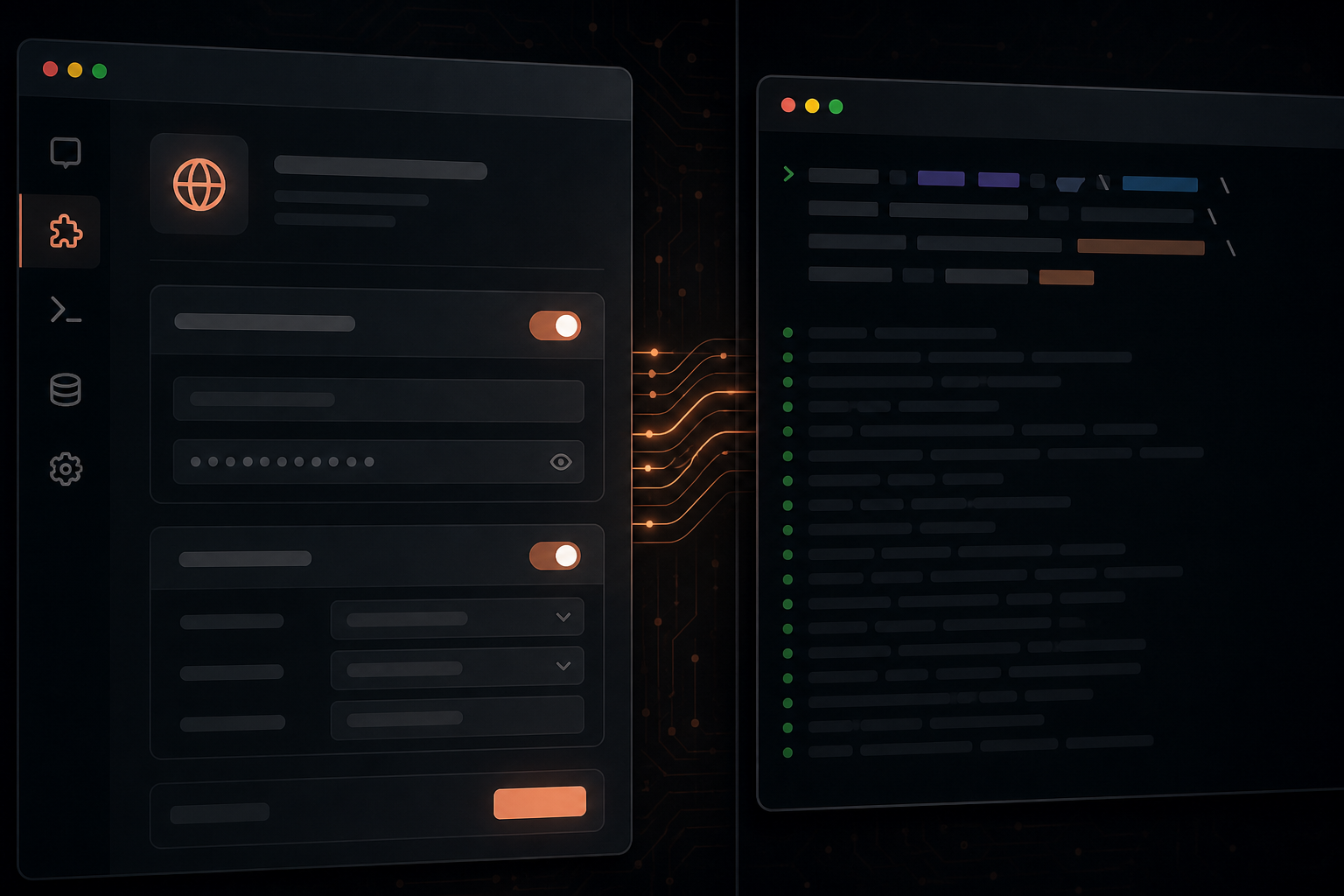
Claude Code CLI vs Desktop Connectors — When to Use `claude mcp add` vs Web Connectors
Claude ships two MCP attach paths: web connectors in Desktop (cloud → your HTTPS URL) and CLI registration via `claude mcp add`. Here is a decision guide, command cheat sheet, and fallback plan when transport flags differ across CLI versions.
Read article →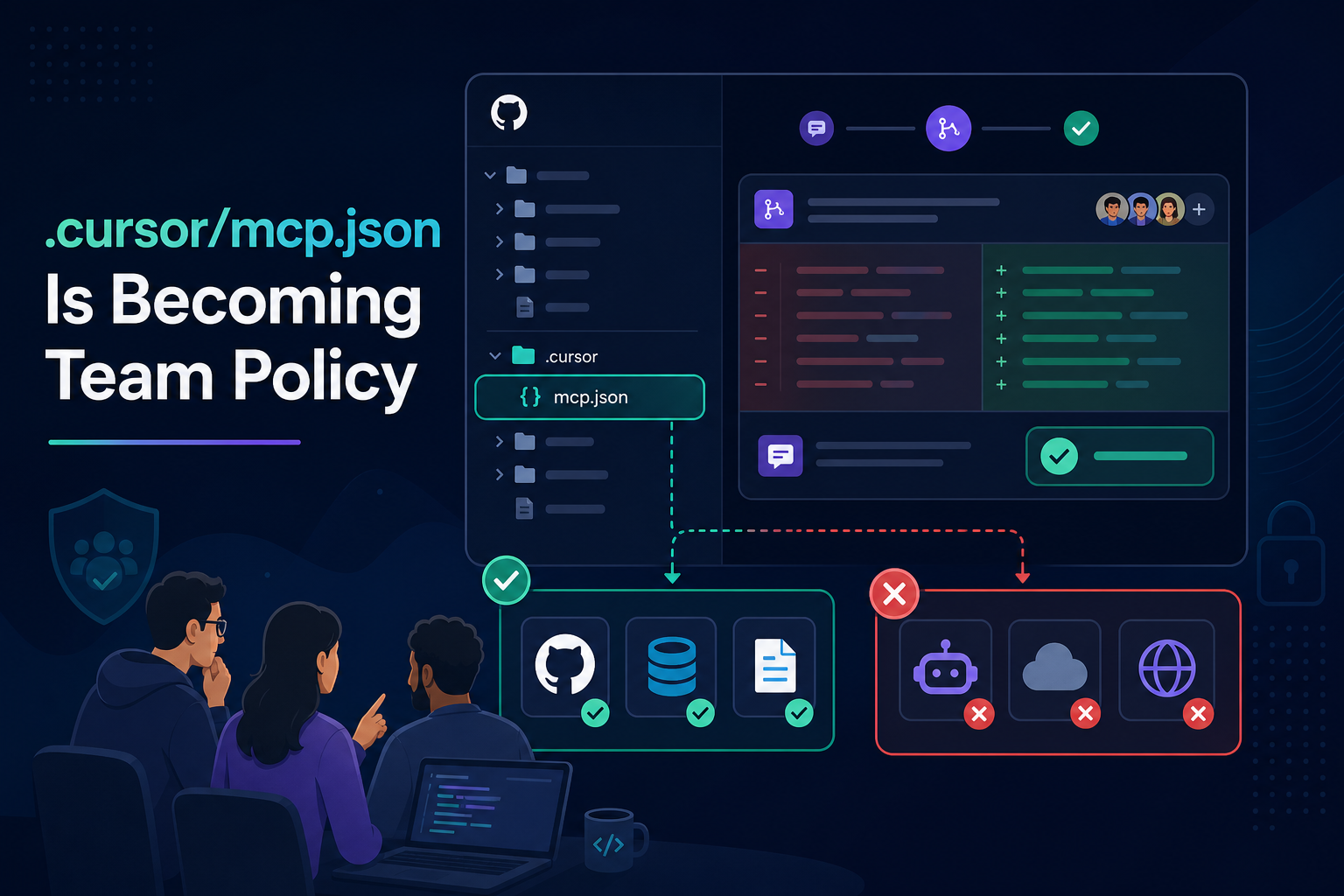
.cursor/mcp.json Is Becoming Team Policy — The New Perimeter for Which Tools Your Repo Allows
Shared MCP config in git is replacing ad-hoc connector sprawl. Project-level .cursor/mcp.json is how teams declare which agent tools are in-bounds for a repo — and what stays in personal config with secrets.
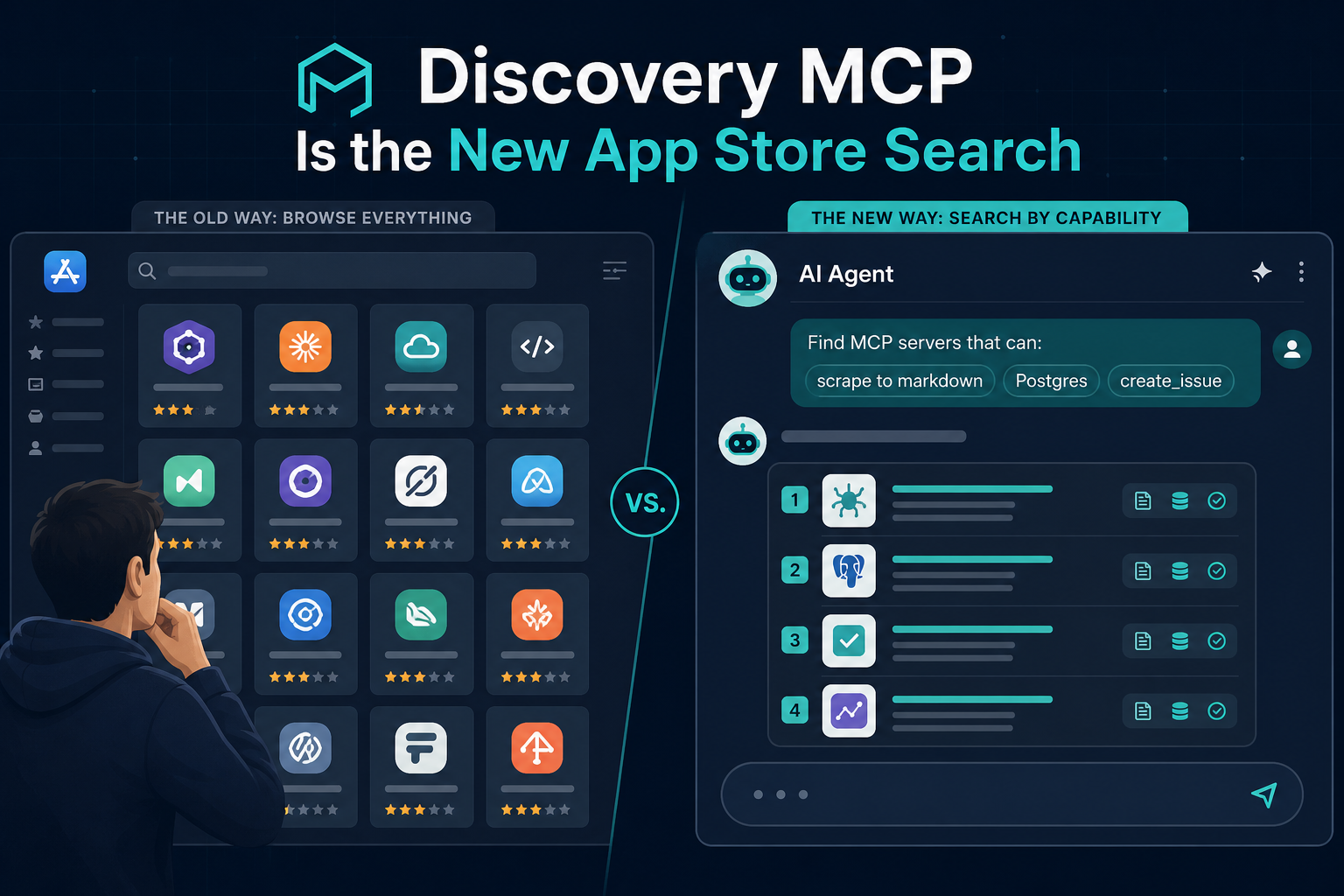
Discovery MCP Is the New App Store Search — Why Agents Find Integrations by Capability, Not Brand
Humans browse MCP directories like an app store. Agents search by capability — scrape to markdown, Postgres, create_issue. Discovery MCP turns the catalog into a tool your assistant can call. Here is what that shift means for server authors and team allowlists.
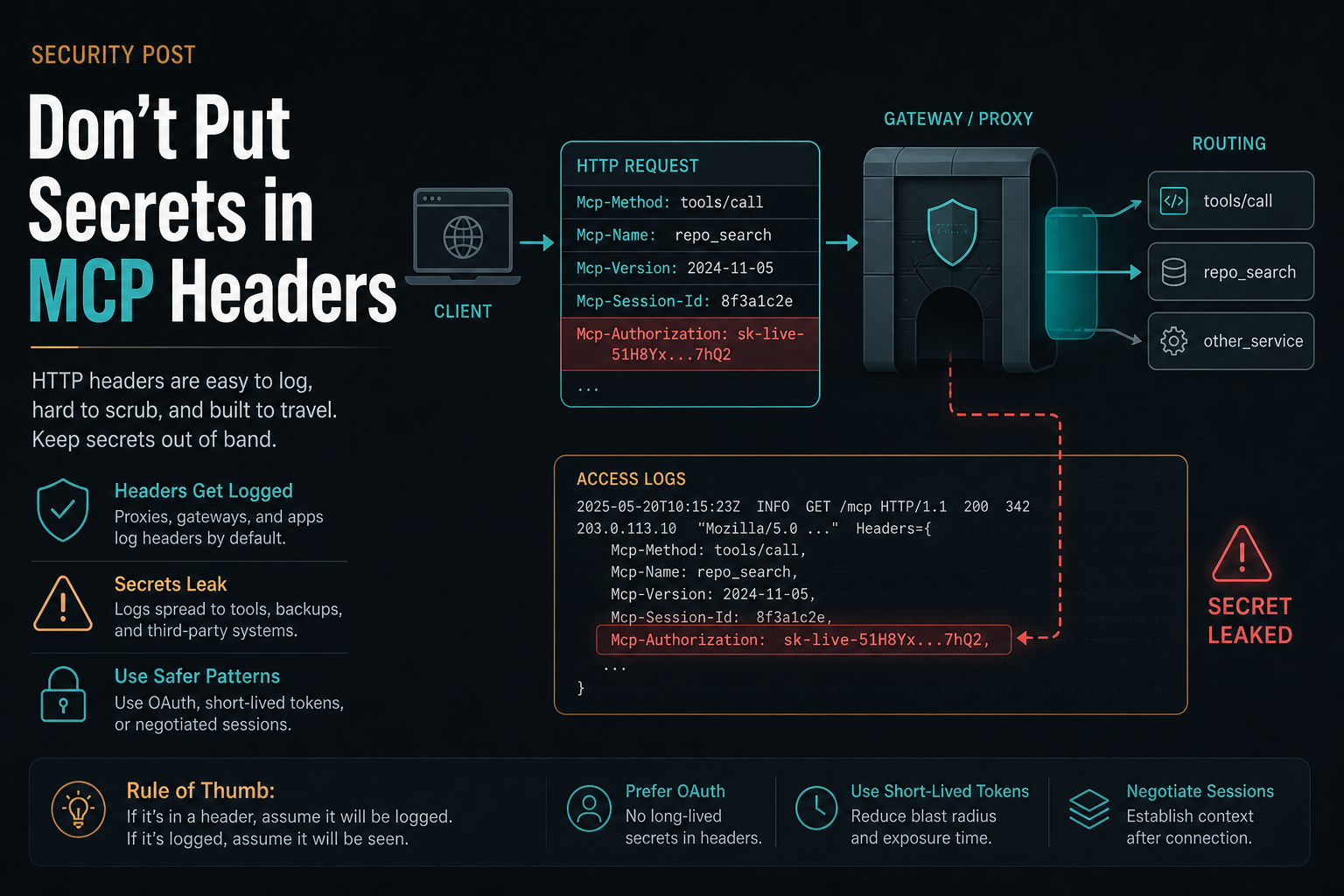
Don't Put Secrets in MCP Headers — Why Mcp-Method Routing Creates a New Leak Path
MCP 2026-07-28 added header-based routing so gateways can meter on Mcp-Method and Mcp-Name without parsing JSON. That is an ops win — and a logging footgun if teams map tokens or tenant IDs into headers.
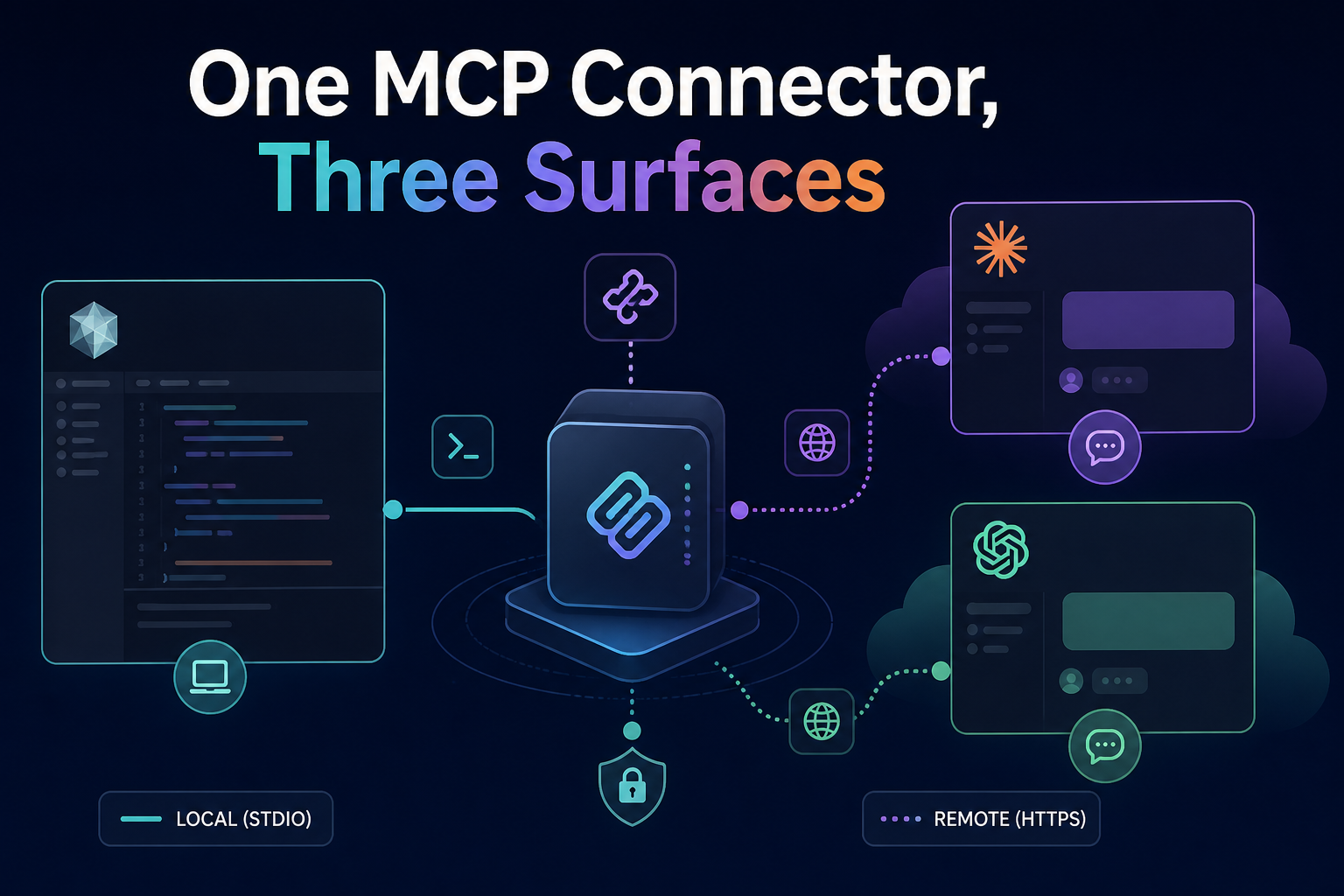
One MCP Connector, Three Surfaces — Why "Works in Cursor" ≠ Works for the Org
The same remote MCP can plug into Claude, ChatGPT, and Cursor — but auth, transport, and policy differ on each surface. Here is a compatibility matrix and rollout checklist so one connector actually works org-wide.
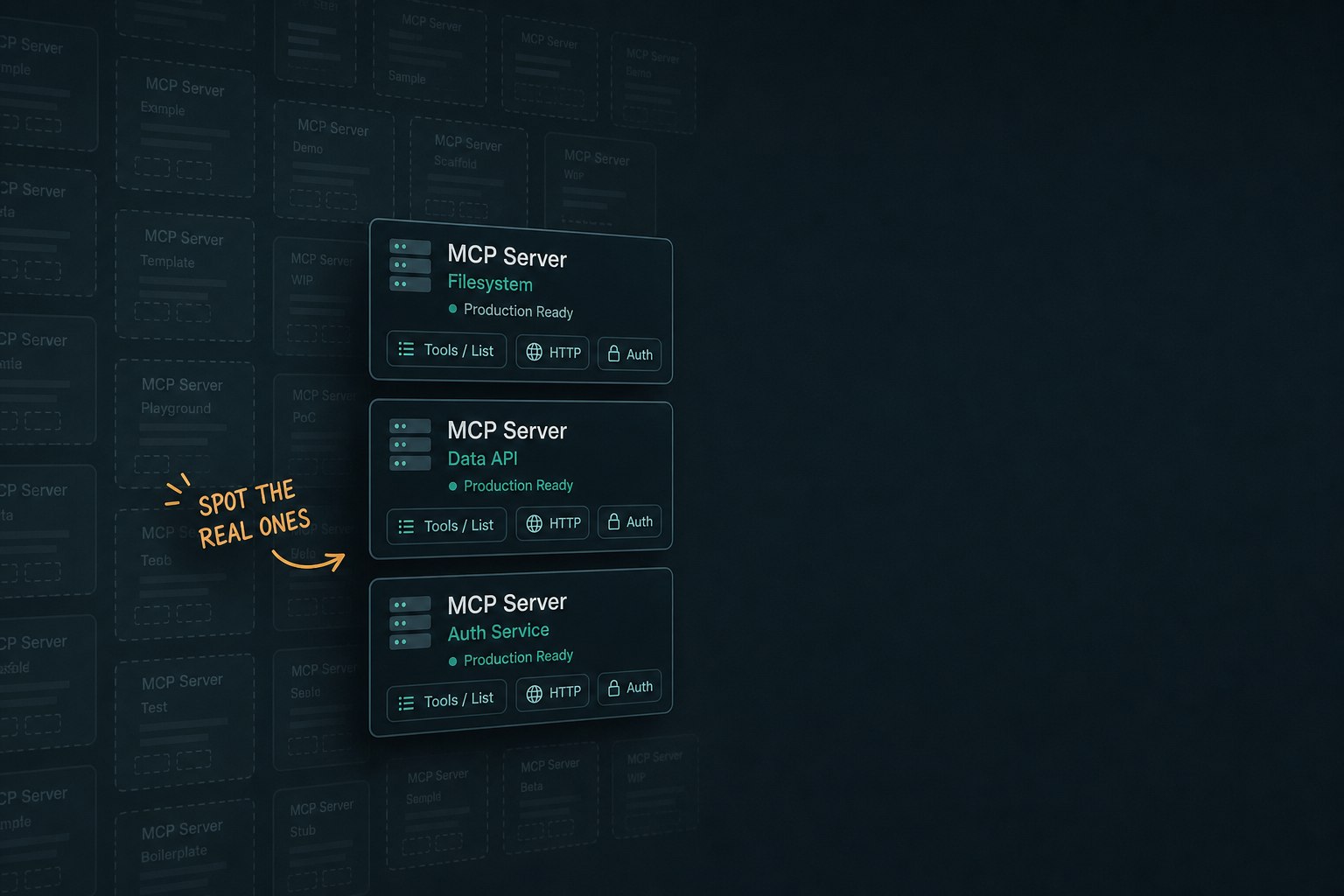
Most MCP Servers Are Still Demoware — How to Spot Production-Ready in 30 Seconds
Influzer’s directory lists ~6,000 MCP servers. Only about 7% have indexed tools. Here is a 30-second filter for transport, tools, auth, and docs — so you stop installing README theater into production agents.
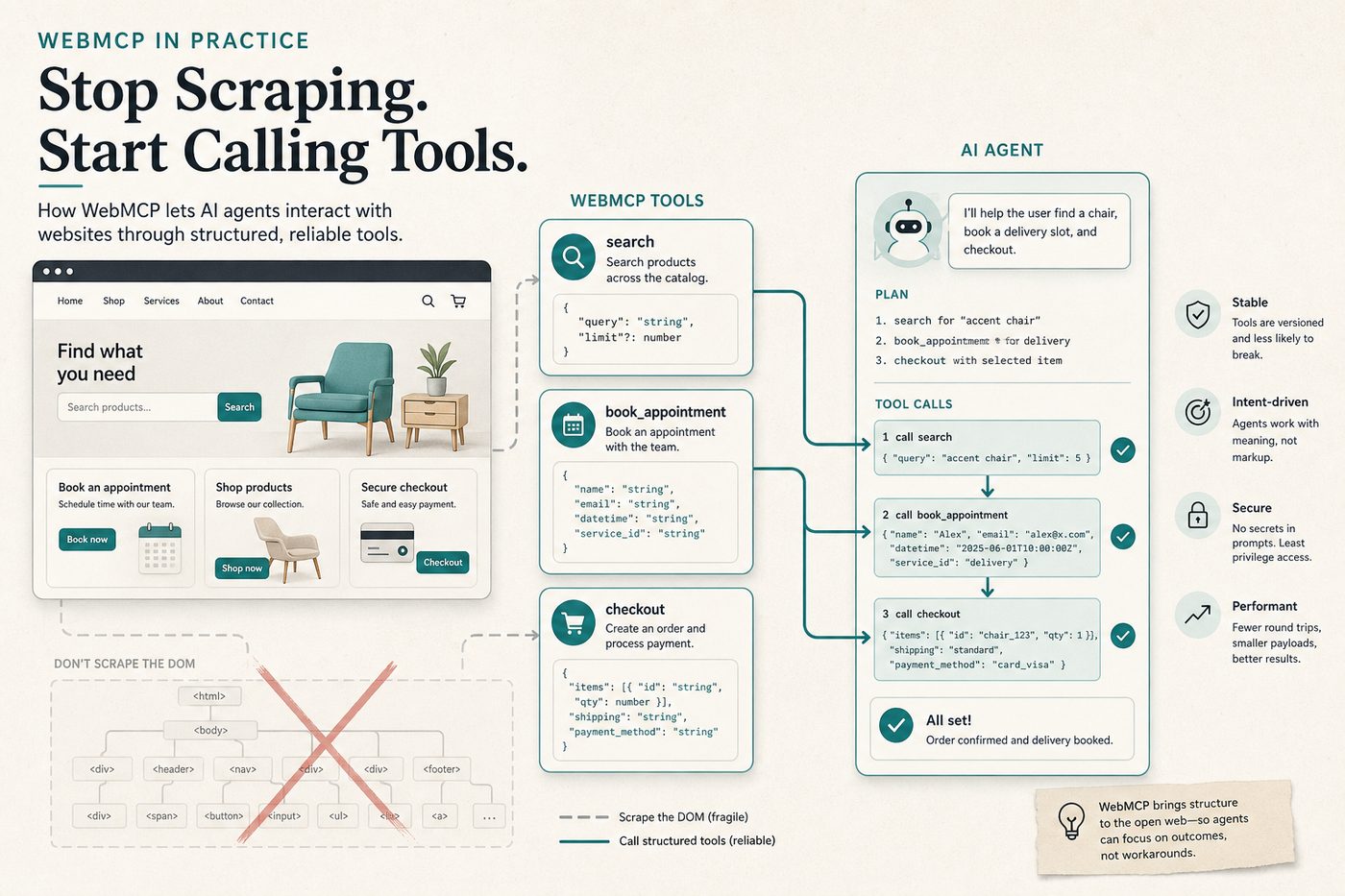
What Is WebMCP? How Clearly Exposed Tools Help Agents Navigate the Web
WebMCP lets websites declare structured tools for AI agents — search, book, checkout, submit — so agents stop guessing from the DOM and start calling what the page actually supports. Here is why that changes web navigation for agents.
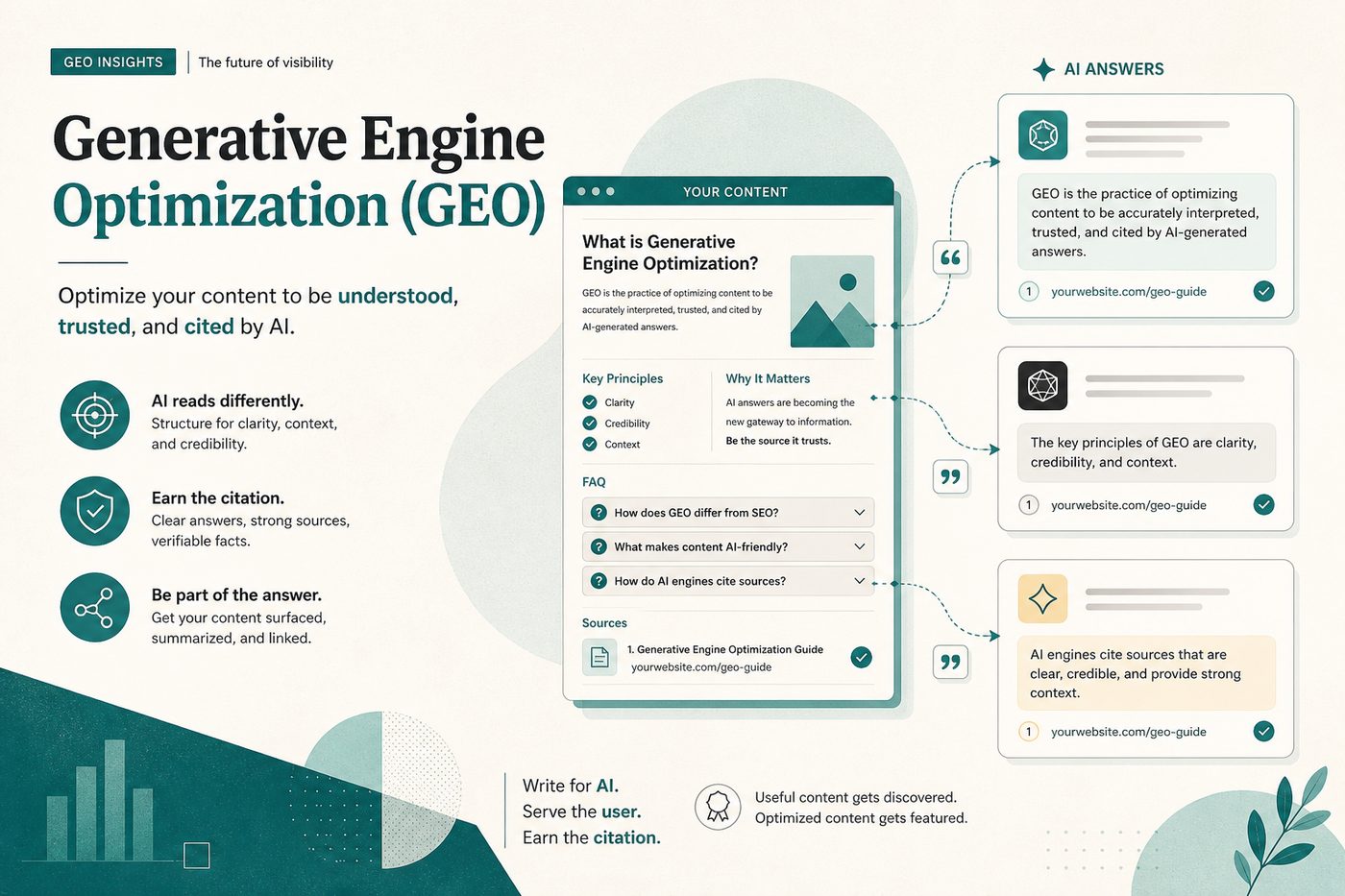
What Is Generative Engine Optimization (GEO)? A Playbook to Get Cited by AI Answers
GEO is how you make your product, docs, and brand the source AI answer engines cite — ChatGPT Search, Perplexity, Google AI Overviews, and Claude. This playbook covers what GEO is, how it differs from SEO, and a practical checklist you can ship this week.

Last Day of Vacation: What Leaders Notice When They Finally Step Away
I am on my last day of vacation. Distance made three things obvious: what was actually urgent, what I was carrying that nobody needed me to carry, and how to come back without undoing the clarity.
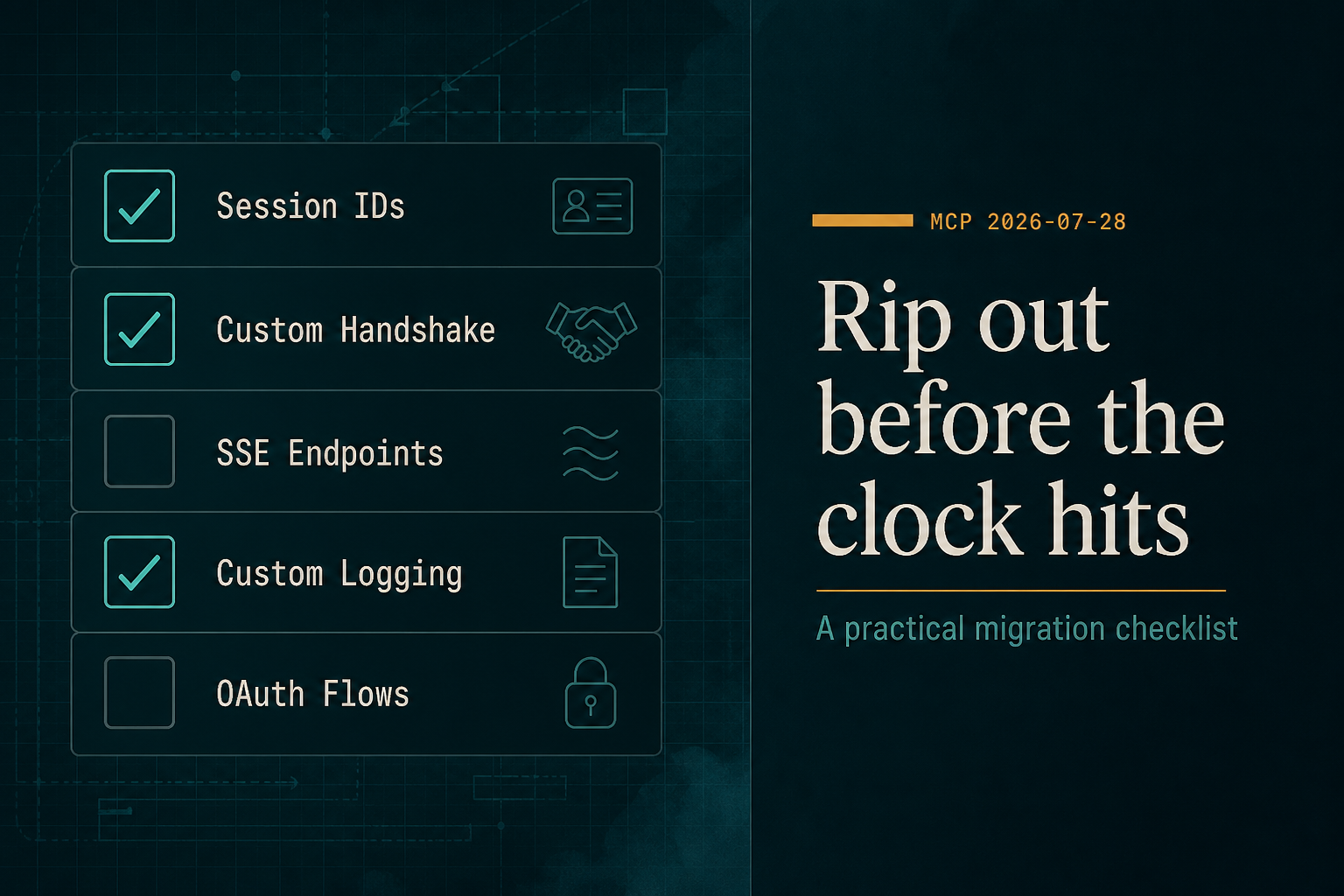
What to Rip Out of Your MCP Stack Before the Deprecation Clock Hits
MCP 2026-07-28 made the protocol stateless and started a twelve-month deprecation clock. Here is the practical rip-out list for session affinity, old transports, auth shortcuts, and experimental Tasks — before clients force the change.
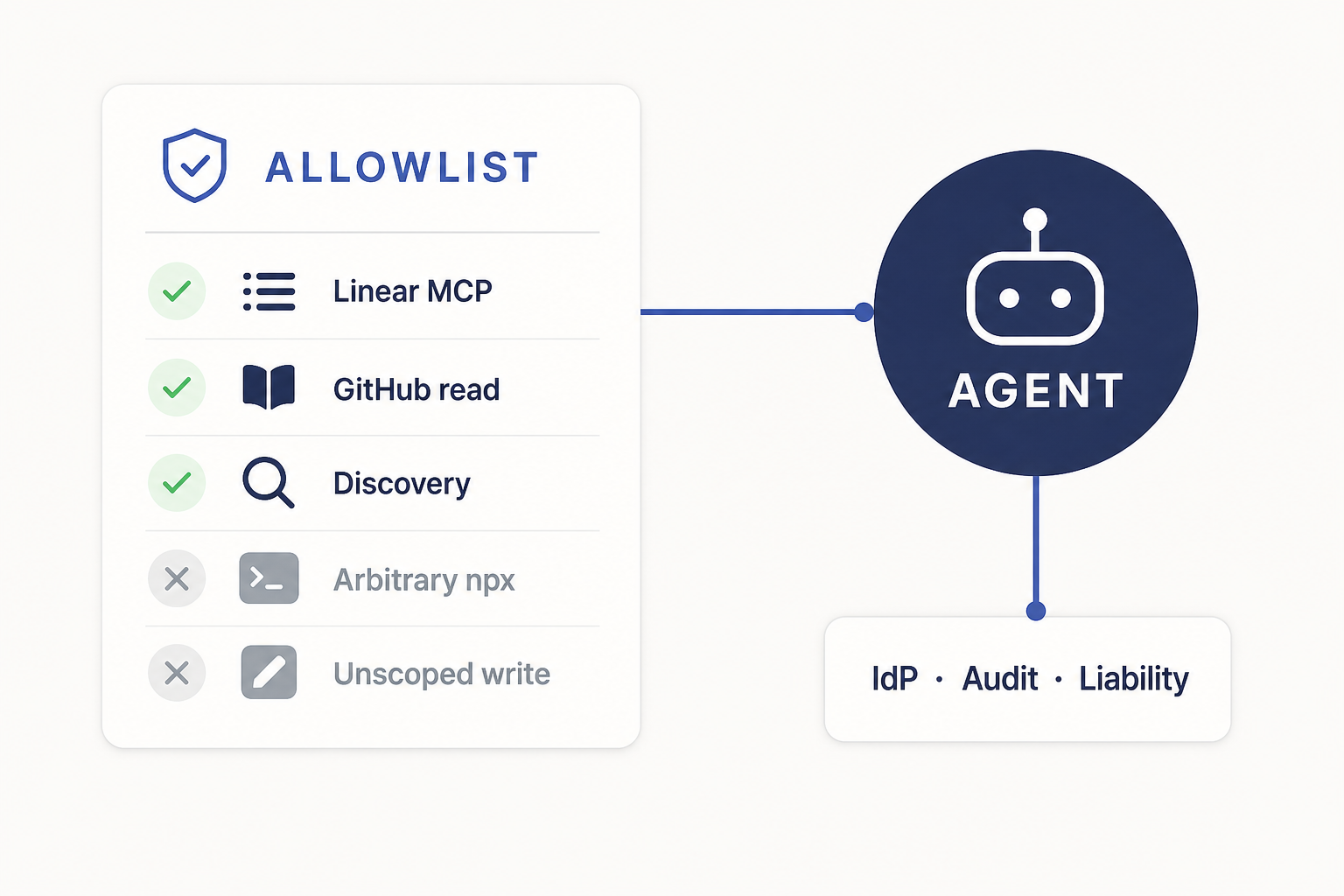
AI Agent Tool Access as an Operating Control — Allowlists, IdP, and Liability
When agents can call Linear, GitHub, and finance systems, tool access is no longer an IT preference — it is an operating control. Here is how executives should treat allowlists, identity, and liability as one system.

Search MCP Servers Without Leaving Claude, ChatGPT, or Cursor — Introducing Influzer MCP Discovery
We built a read-only MCP server so your agent can search 5,500+ integrations by capability — Postgres, browser automation, scraping, coding stacks — from inside the chat you already use. Here is what it does and how to connect it in two minutes.
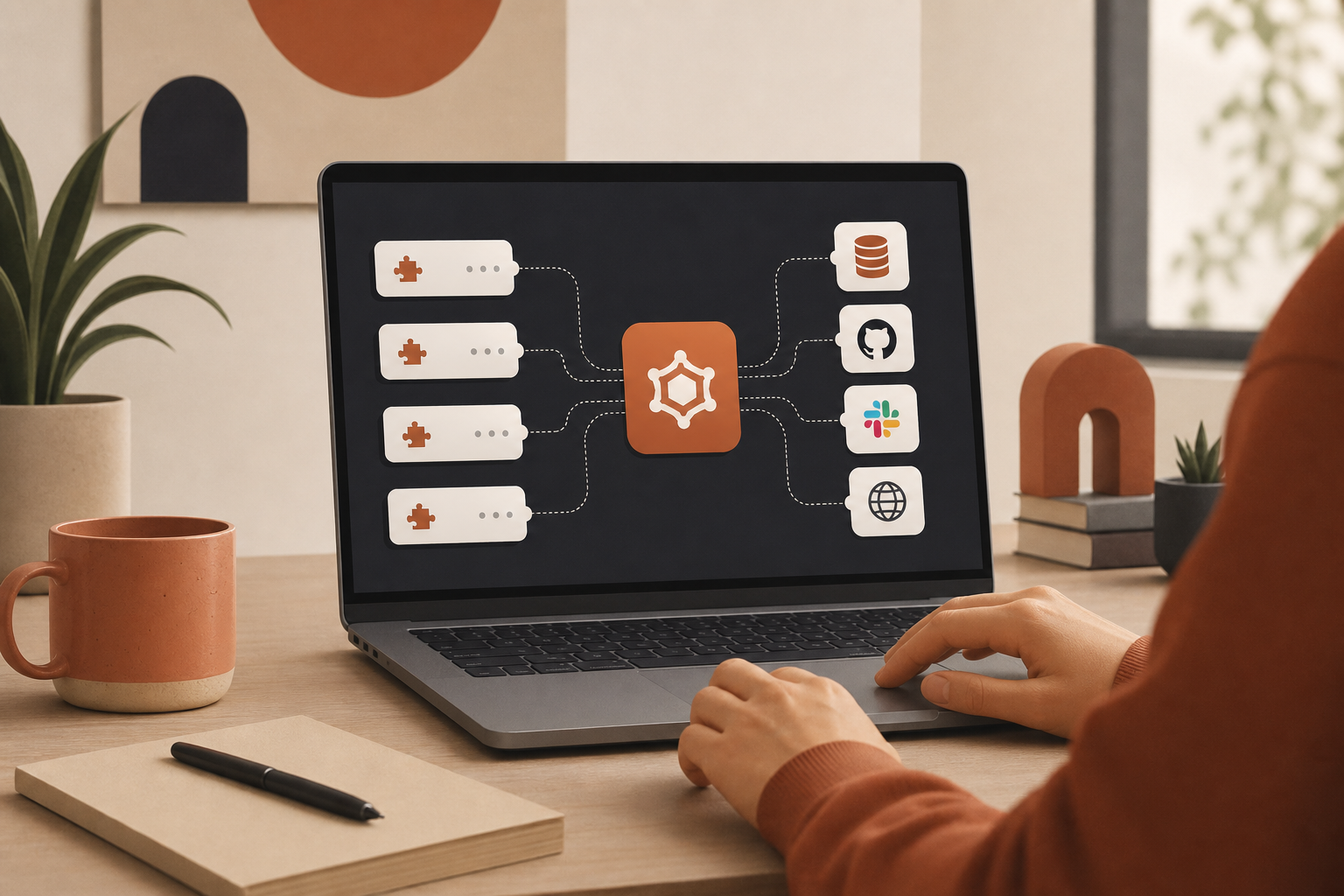
What Is the Model Context Protocol (MCP)? A Practical Guide for Developers
MCP is the open standard that lets AI assistants call external tools — databases, browsers, APIs, and SaaS apps — through one consistent protocol. This guide covers architecture, a worked example, MCP vs RAG, security, and where to find servers.
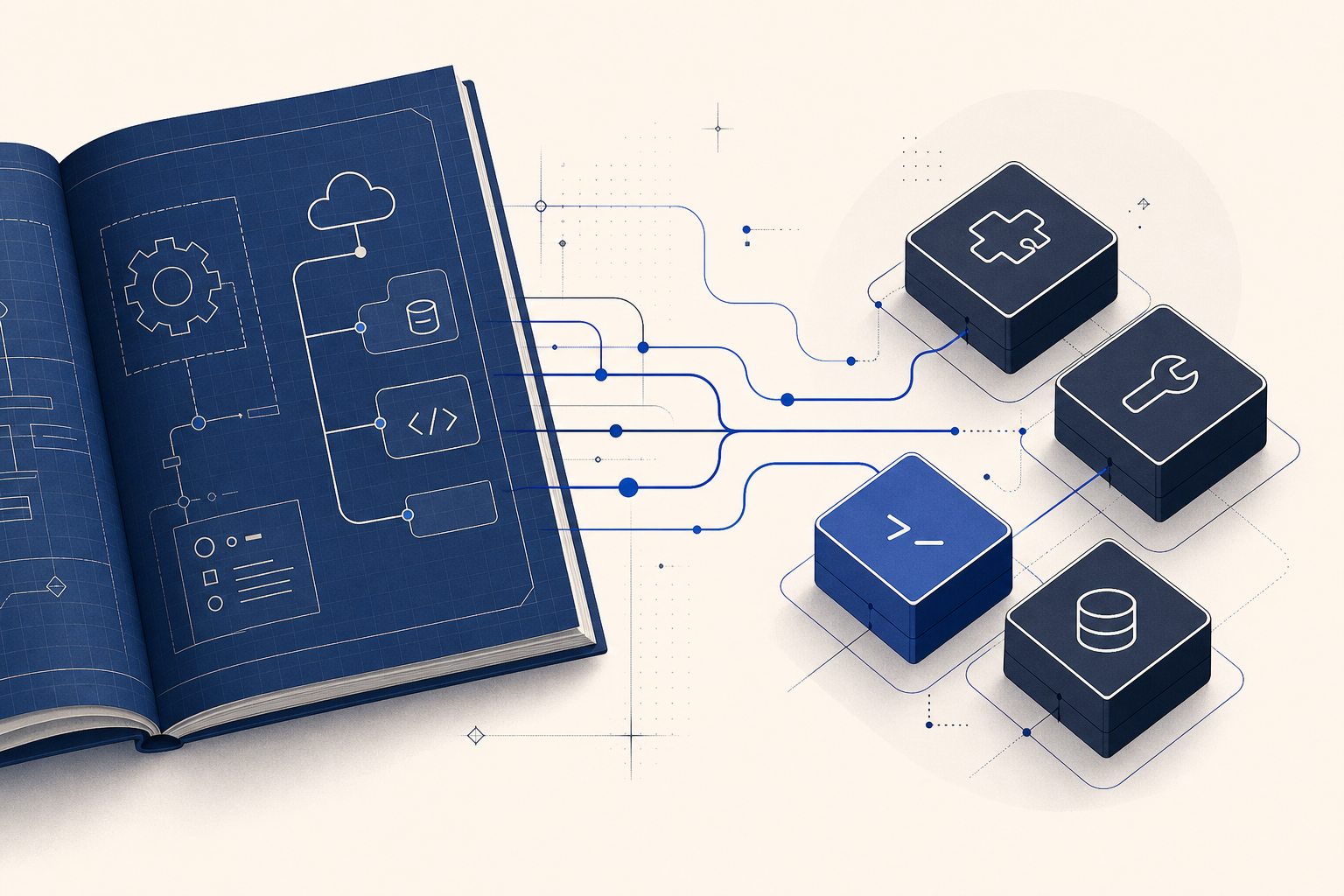
MCP Builders — The Producer Playbook for Teams Who Already Have APIs
You shipped REST years ago. Now agents need tools, not endpoints. MCP Builders is a chapter-by-chapter manual for wrapping your API the right way — tool design, OAuth, enterprise auth, hosting, and getting listed.
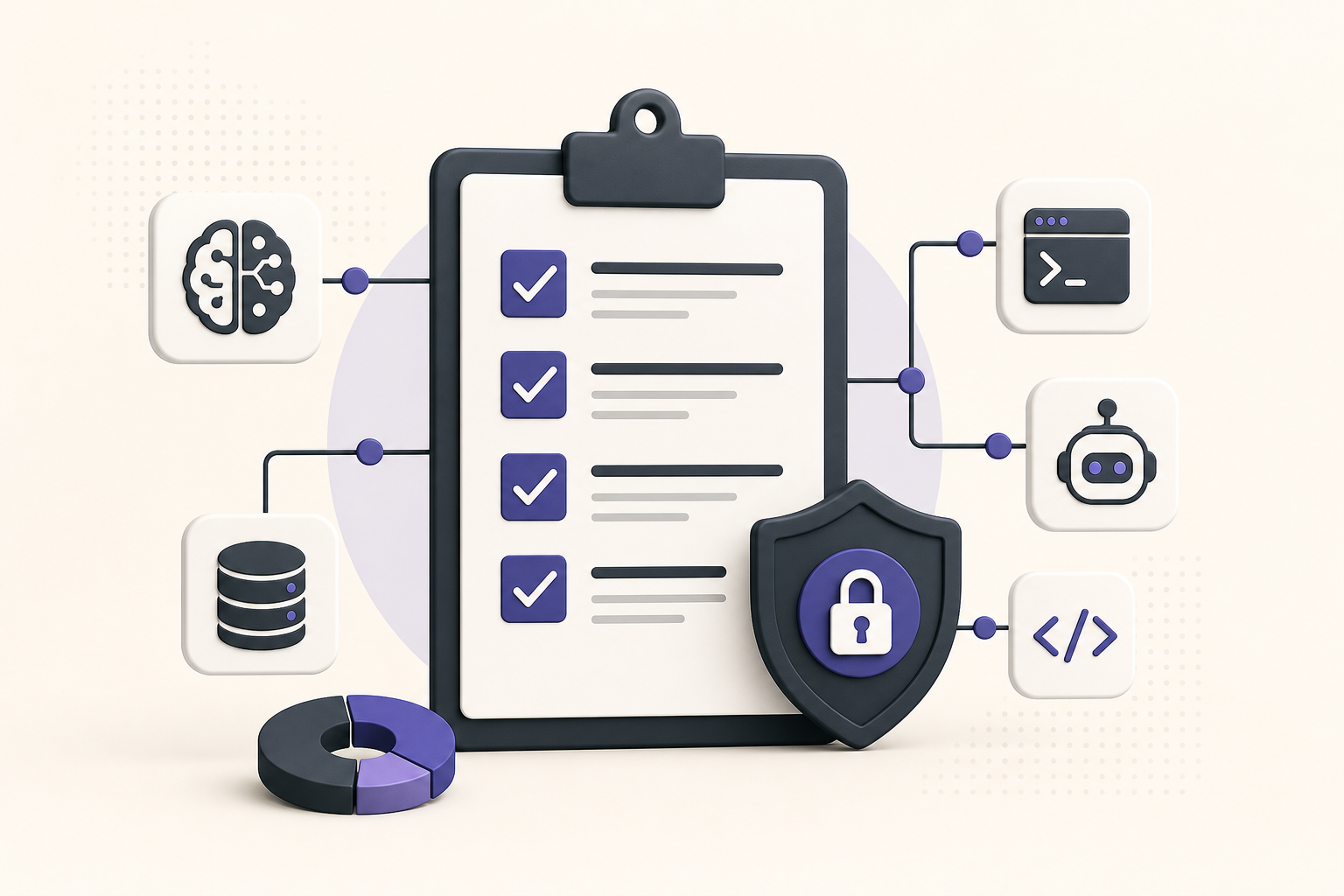
The MCP Server Audit: Seven Questions Before You Connect Another Tool
Most teams hit MCP sprawl in week three — overlapping tools, mystery configs, and security gaps nobody owns. Run this seven-question audit before you add server number twelve.

Introducing Influzer News — MCP Briefs, Plus Our First Newsletter
Insights are for depth. News is for speed. We are launching a curated MCP ecosystem feed at /news — and sending our first newsletter to subscribers who want the signal without the scroll.
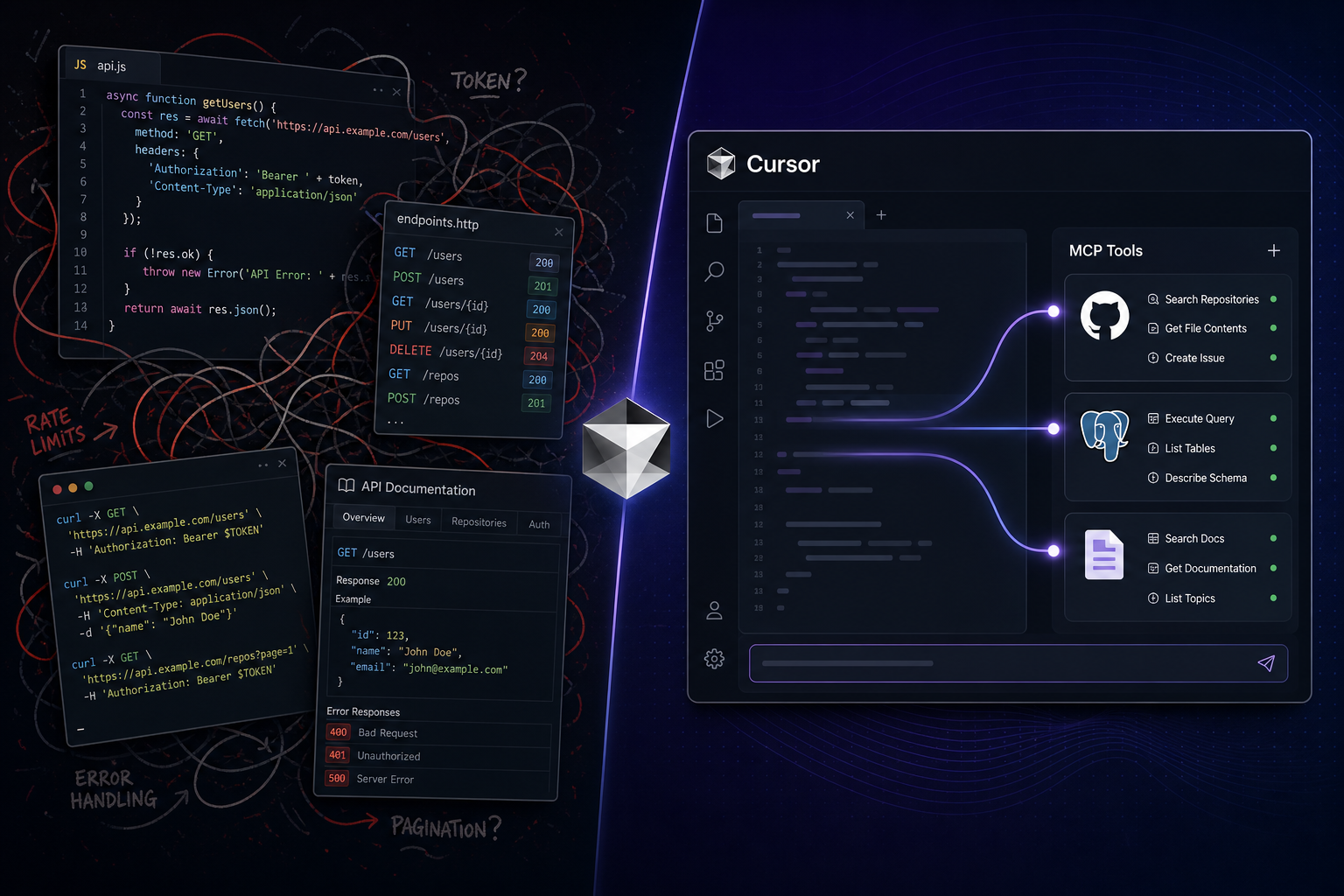
Cursor, MCP Servers, and the Afternoon I Stopped Writing Glue Code
Same bug. Same IDE. Two integration paths — one afternoon lost to REST wrappers and Postman, the next solved in twenty minutes with MCP tools in Cursor. A realistic story of what changes when your agent can actually reach GitHub, your database, and live docs.
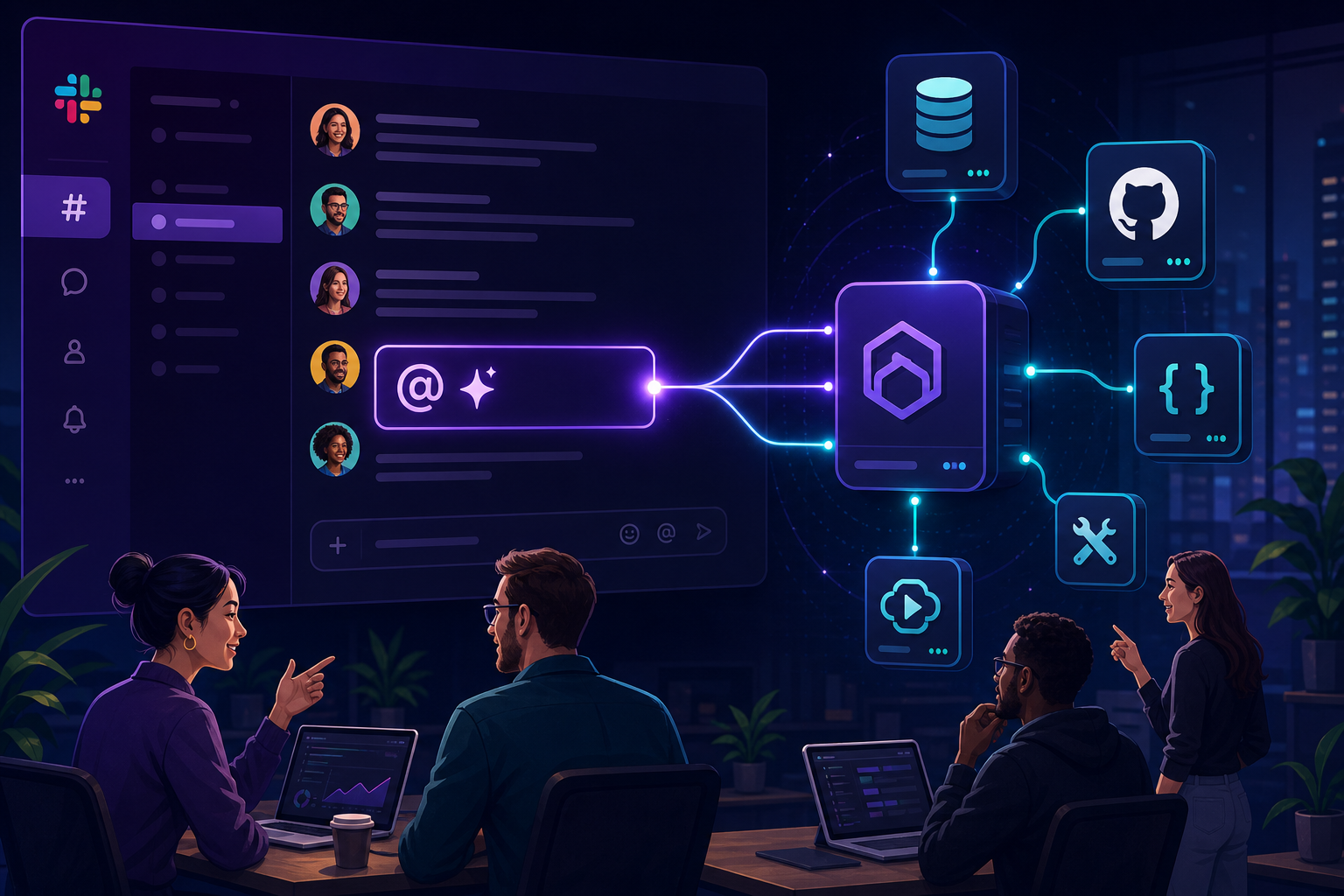
Claude Tag Meets MCP — How @Claude in Slack Helps Teams Ship New Services Faster
Anthropic’s Claude Tag turns @Claude into a multiplayer teammate in Slack — with memory, async work, and connector access. Here is how that pairs with MCP servers to help teams design, build, and operate new services without everyone living in a solo chat window.
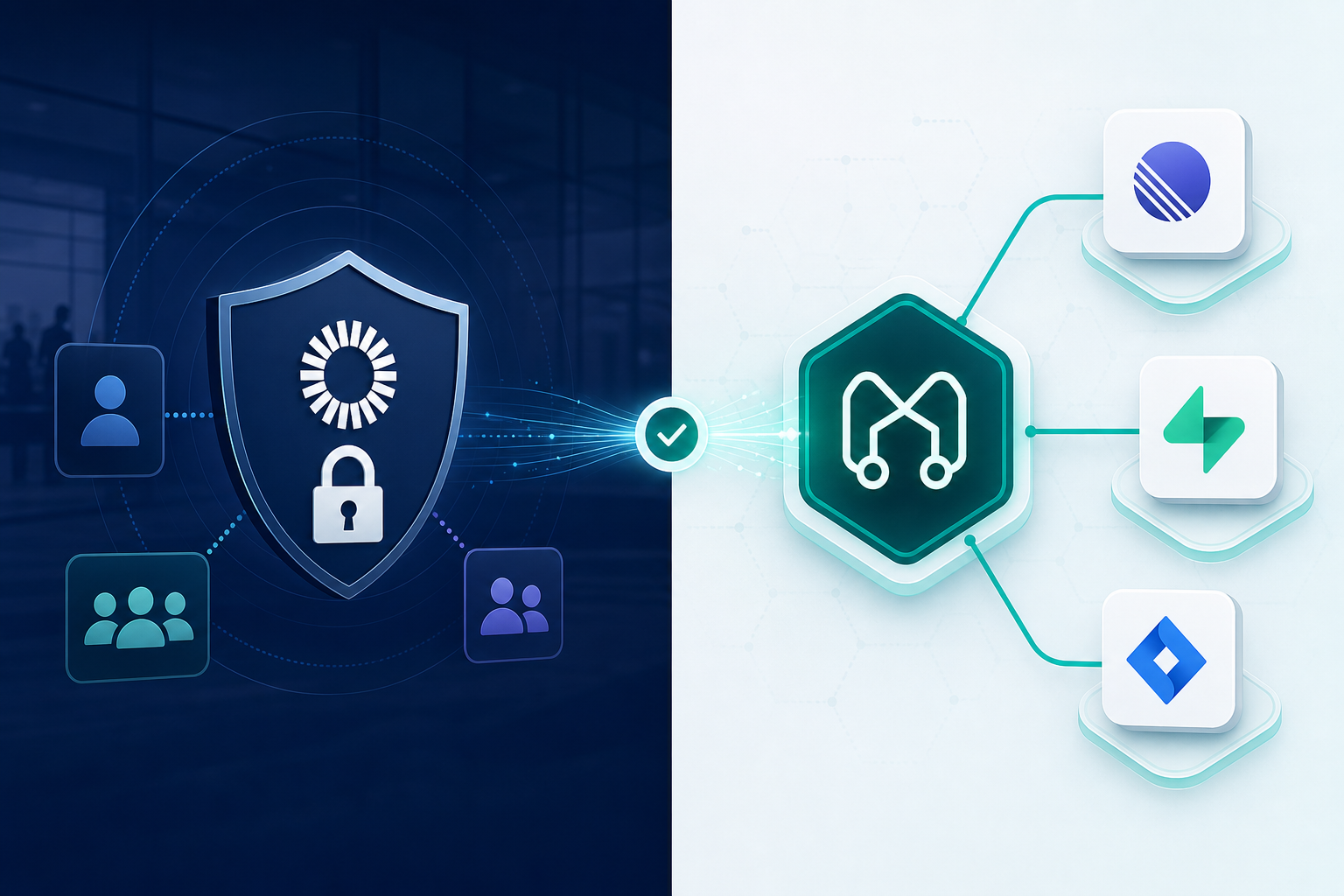
Enterprise-Managed MCP Auth Changes the Game — What Teams and Server Builders Should Do Now
Anthropic and Okta just made MCP enterprise-ready: admins provision connectors once through your identity provider, users inherit access on first login. Here is why that matters for rollout, security, and the MCP servers in your stack.
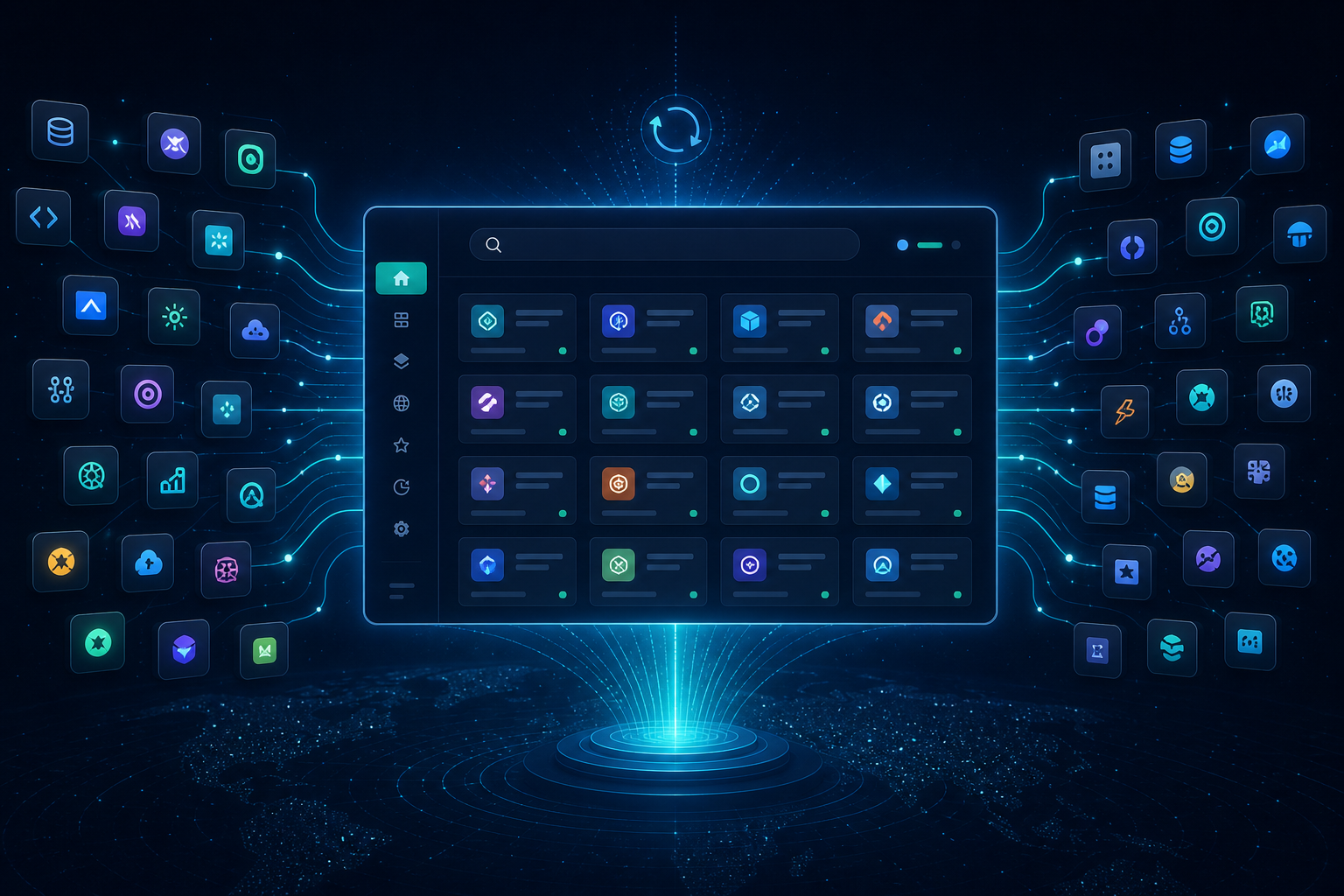
The Most Complete MCP Server List on the Web — How Influzer.ai Updates It Daily (And How to Get Listed)
MCP servers are scattered across Glama, Smithery, GitHub lists, and vendor docs. Influzer.ai aggregates them into one searchable directory — with indexed tools, setup steps, and daily validation. Here is how the list is built and how to submit your server.

Stop Building Integrations — MCP Servers Are the New SDK (And Your Team Is Late)
Unpopular opinion: if your AI roadmap still starts with “let’s wire another REST client,” you are maintaining the wrong layer. MCP servers are becoming the default integration surface — and the teams that figure that out first will ship agents while everyone else is still debugging OAuth.
MCP Servers Are Taking Over the Integration Game — Here’s What Developers Gain
Custom SDK glue code used to be the default way to connect AI apps to external systems. MCP servers are changing that — giving developers a standard protocol, reusable tools, and faster paths from prototype to production.
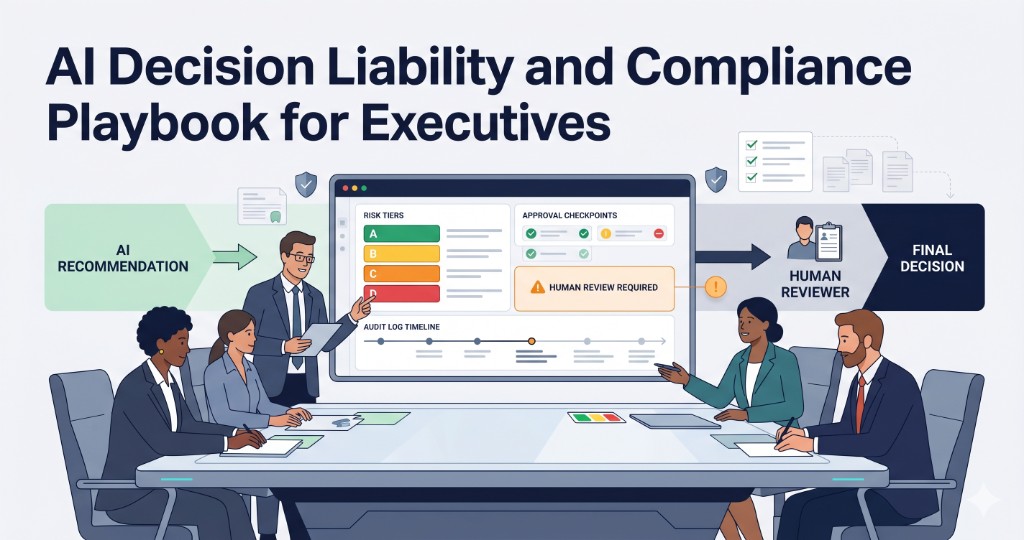
AI Decision Liability and Compliance Playbook for Executives
As AI influences more pricing, hiring, risk, and customer decisions, leaders need clear rules for accountability. This playbook explains who is liable, where compliance risk appears, and how to build controls that protect growth without slowing execution.
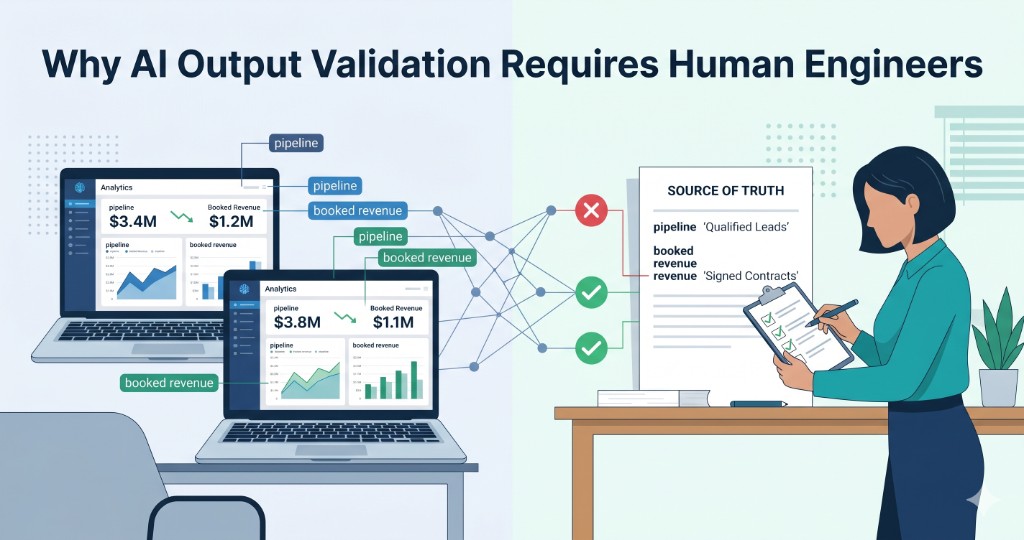
Why AI Output Validation Requires Human Engineers — Not Just Faster Answers
Two people can ask the same AI question and get different answers — sometimes confidently wrong. As teams rely more on AI for sales, finance, and operations, human validation of outputs is becoming a critical discipline, not optional overhead.
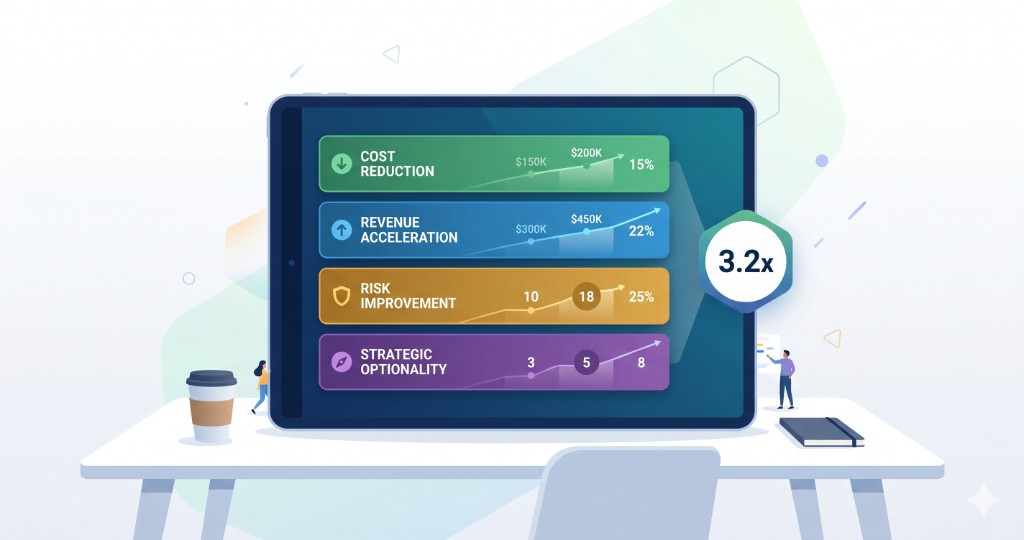
How to Measure AI ROI: A Practical Framework for Executive Teams
Most AI initiatives fail the ROI question not because they lack value, but because teams measure the wrong things. Here is a practical framework executives can use to quantify AI impact, justify continued investment, and separate real returns from activity theater.
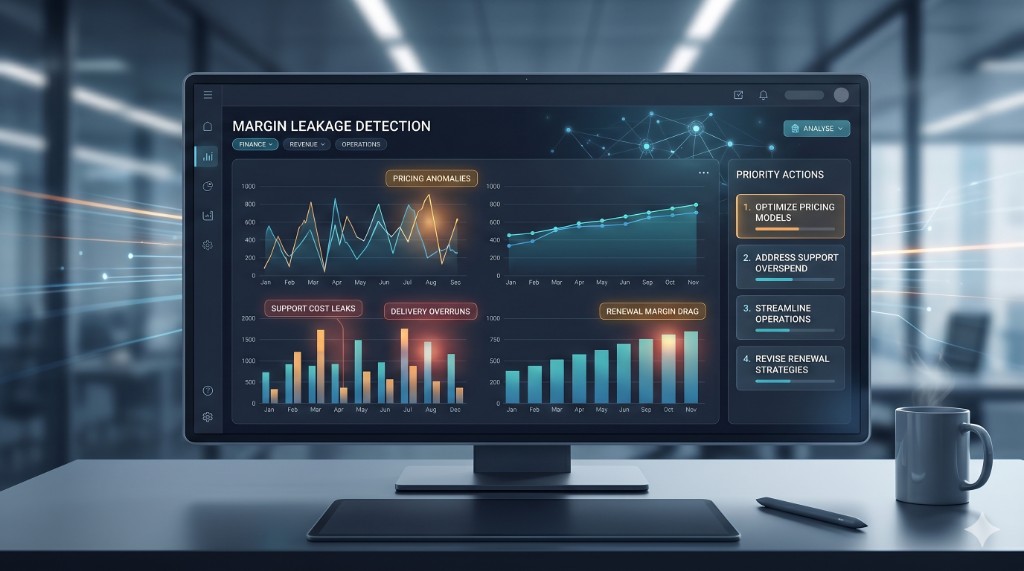
AI Margin Leakage Detection Playbook for Growth-Stage Companies
A practical operating playbook for executives to detect margin leakage early with AI, prioritize the highest-impact fixes, and improve profitability without stalling growth.
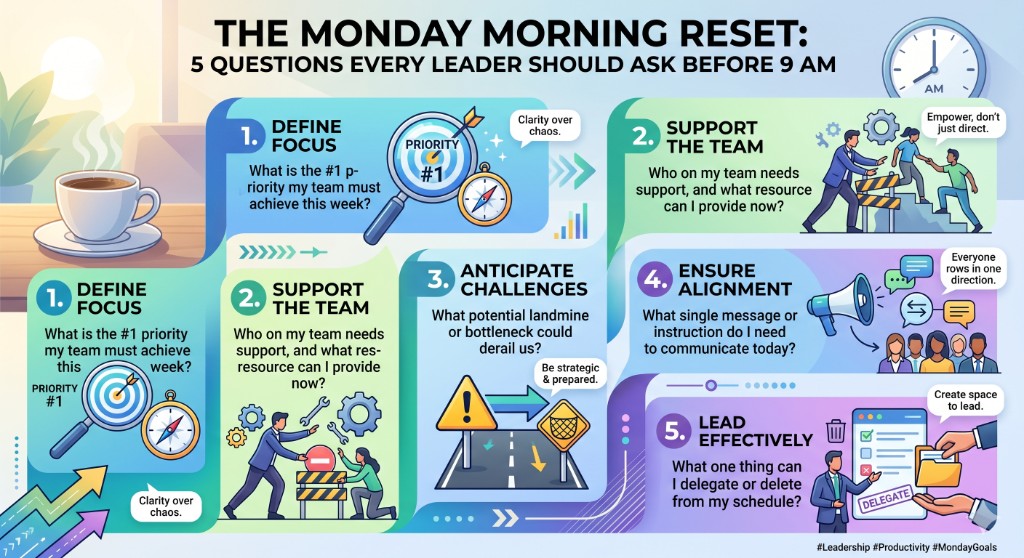
The Monday Morning Reset: 5 Questions Every Leader Should Ask Before 9 AM
Monday morning is the most underused strategic hour of the week. Here are five questions that sharpen focus, surface risk early, and set the tone for how the entire company executes.

Welcome to Influzer Insights
Why I am starting this blog and what you can expect: practical leadership lessons, AI execution frameworks, and product strategy from real operating experience.
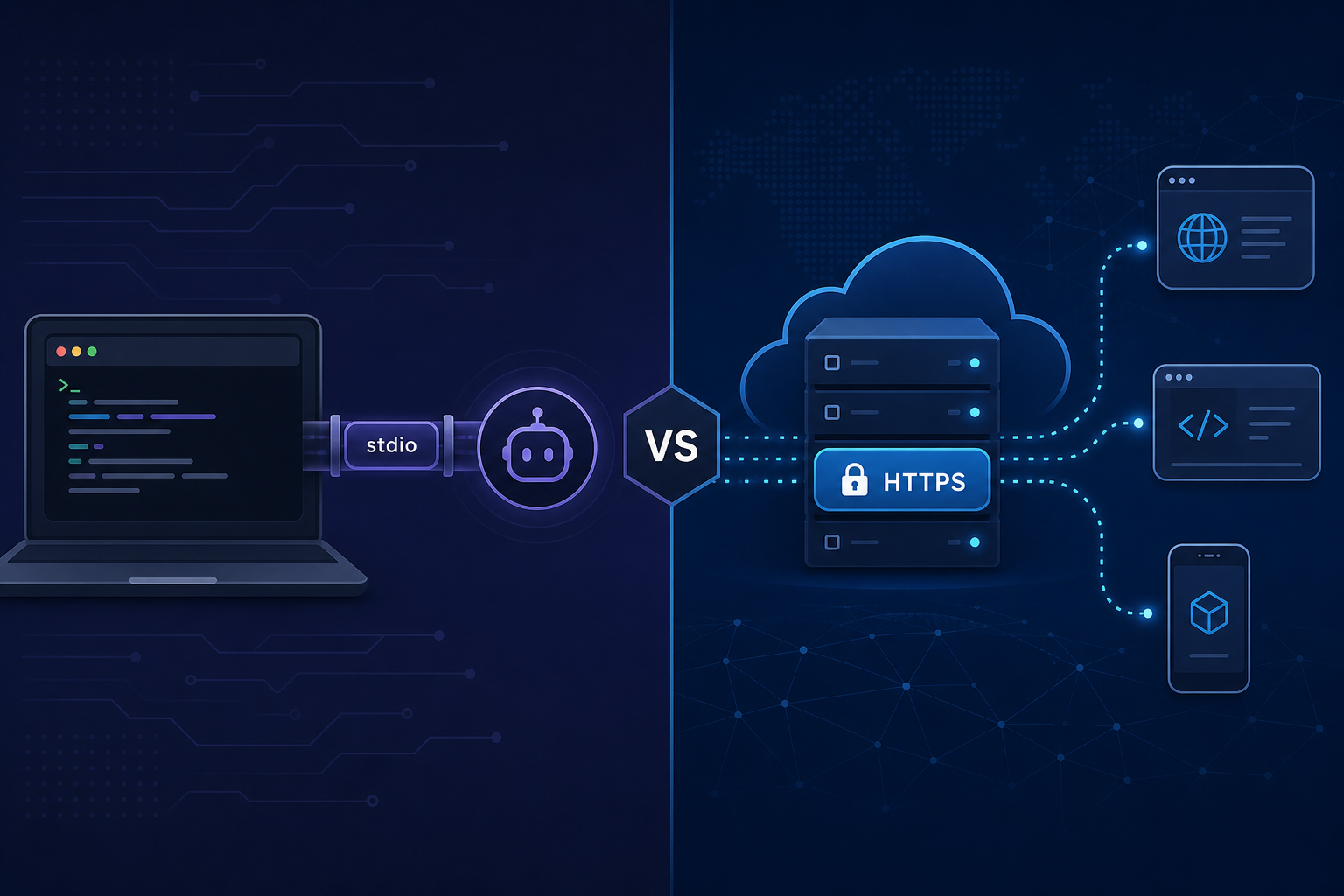
MCP Builders, Chapter 4: stdio vs HTTP, Hosting, and Secrets
Chapter 1 got you running on stdio in Cursor. Real teams need a hosted endpoint. This chapter walks through when to move from local process to HTTP, where secrets actually live, and how to pick hosting without turning your MCP server into a credential leak.
MCP Builders, Chapter 3: Enterprise-Managed Auth for Server Builders
Chapter 2 got individual OAuth right. Chapter 3 is the provider side of enterprise-managed authorization — how admins provision your MCP connector once through their identity provider, map IdP groups to tool bundles, and offboard users automatically. This is the auth model that gets you into RFPs.
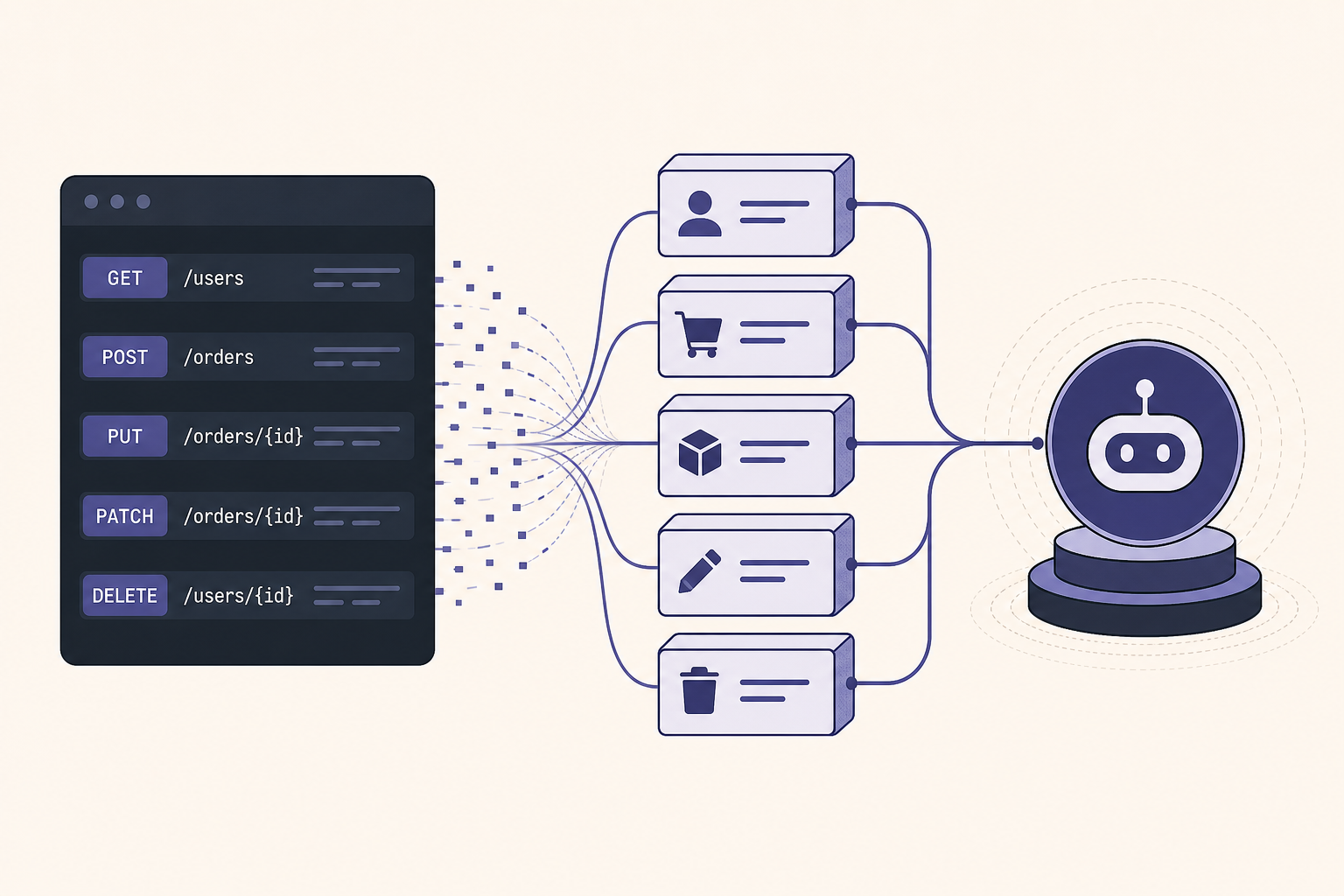
MCP Builders, Chapter 1: API → MCP in One Afternoon
You have REST. Agents need tools. This chapter walks through picking five capabilities from your API, naming them so models invoke correctly, and shipping a minimal MCP server you can test in Cursor before lunch is over.
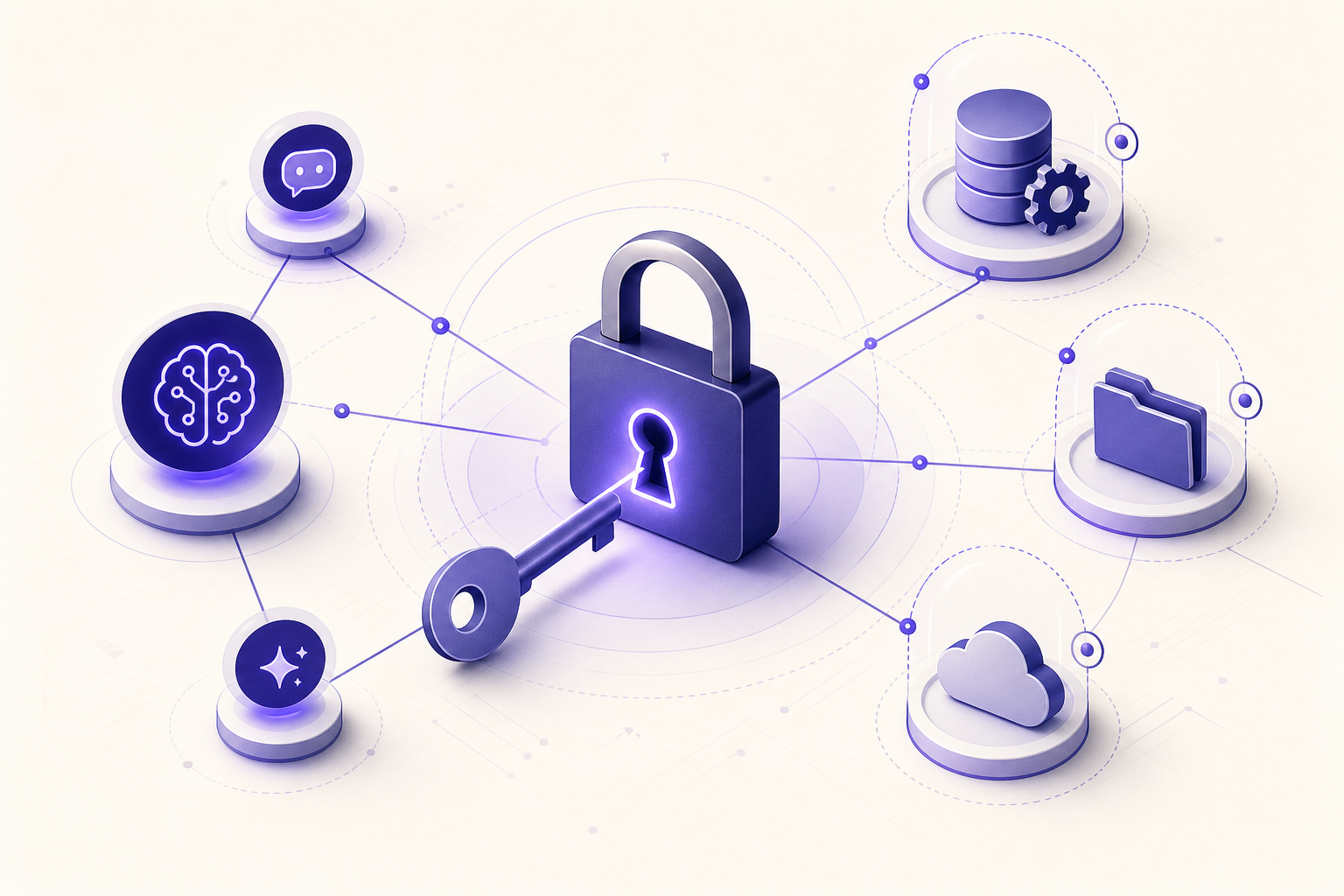
MCP Builders, Chapter 2: OAuth, Tokens, and the Over-Permission Trap
When a user authorizes your MCP server, they delegate authority to an agent — not just to your app. Here is how OAuth scopes, token lifetime, and tool design interact, and why most builders accidentally give LLMs too much access.
How to Set Up Your First MCP Servers in Cursor — A Practical 2026 Starter Guide
You do not need a platform team to give your Cursor agent superpowers. Connect five proven MCP servers in one afternoon — filesystem, GitHub, docs, search, and browser tools — using our directory’s setup steps and copy-paste config patterns.
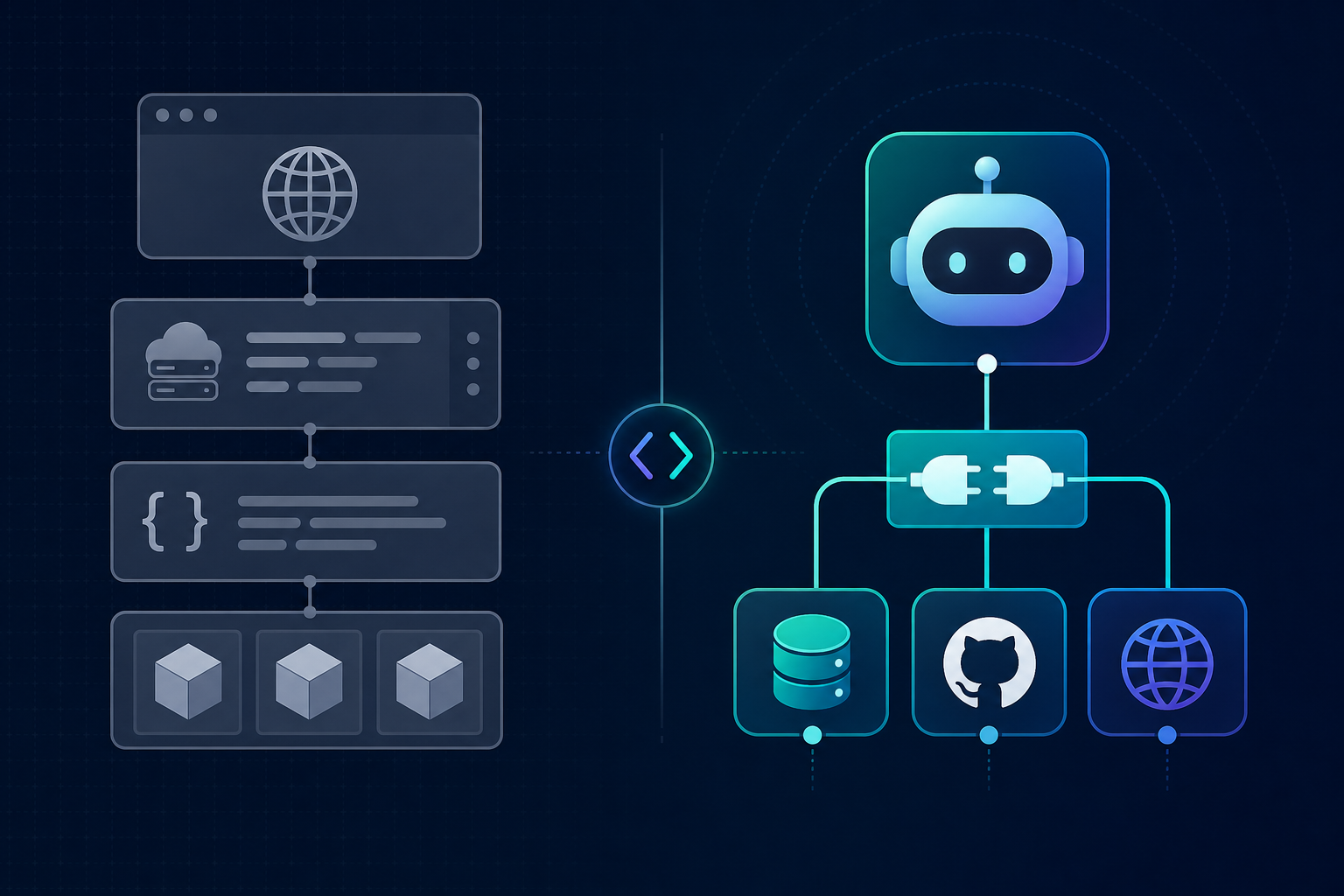
MCP Servers vs REST APIs: Why Developers Should Care About the Shift
REST APIs are still the backbone of the web — but they were not designed for AI agents that need to discover, choose, and call capabilities dynamically. MCP servers fix that boundary. Here is what changes for developers in practice.
AI Decision Latency Playbook for Executive Teams: Cut Delays and Improve Execution Quality
A practical playbook for reducing decision latency using AI so leadership teams can resolve bottlenecks faster, protect growth quality, and execute with less rework.
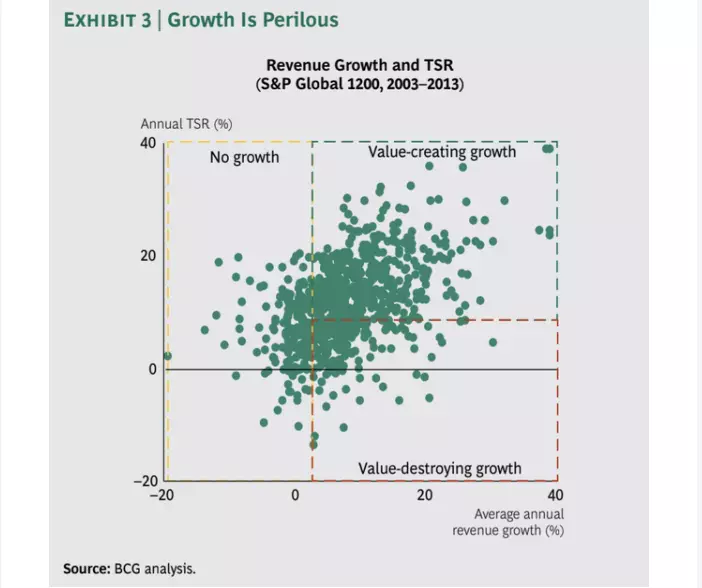
Rule of 40 for SaaS Executives: A Practical Playbook to Improve Growth and Profitability
A practical Rule of 40 playbook for SaaS leaders to improve growth quality and margin discipline without defaulting to broad cuts or vanity expansion.
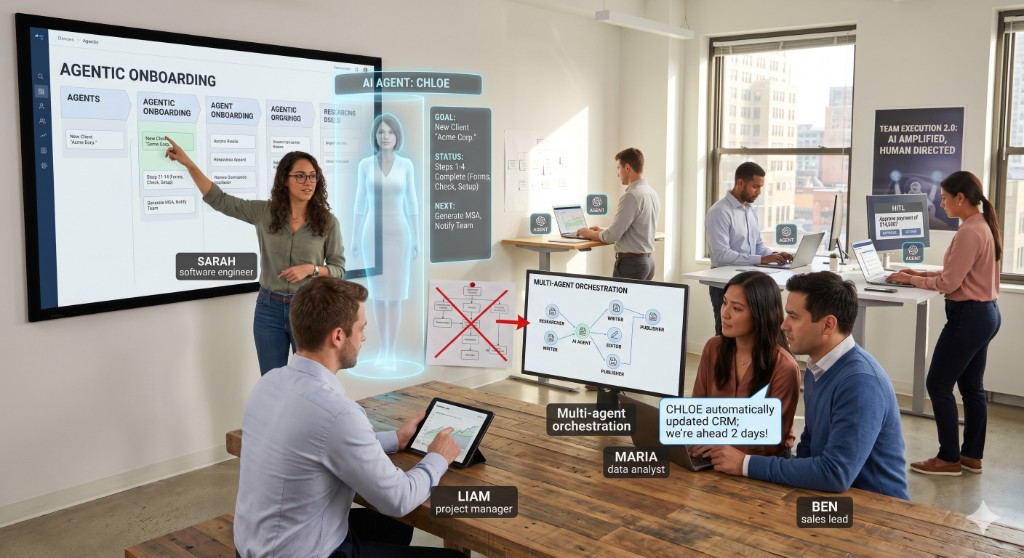
How to Use AI Agents to Optimize Workflows and Stay on Top of Team Execution
AI agents can reduce coordination drag, speed up execution, and improve leadership visibility when they are designed as workflow operators, not just chat assistants.
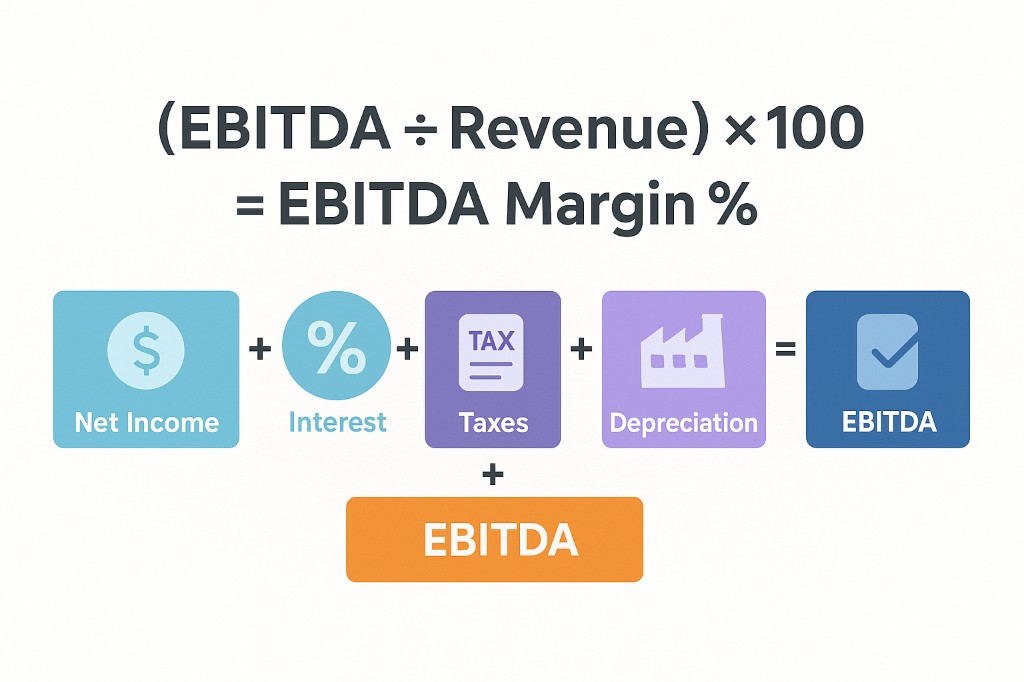
How to Focus on EBITDA and the Rule of 40 Without Slowing Growth
A practical framework for leadership teams to improve EBITDA while still compounding growth by using the Rule of 40 as an operating discipline, not just a board metric.
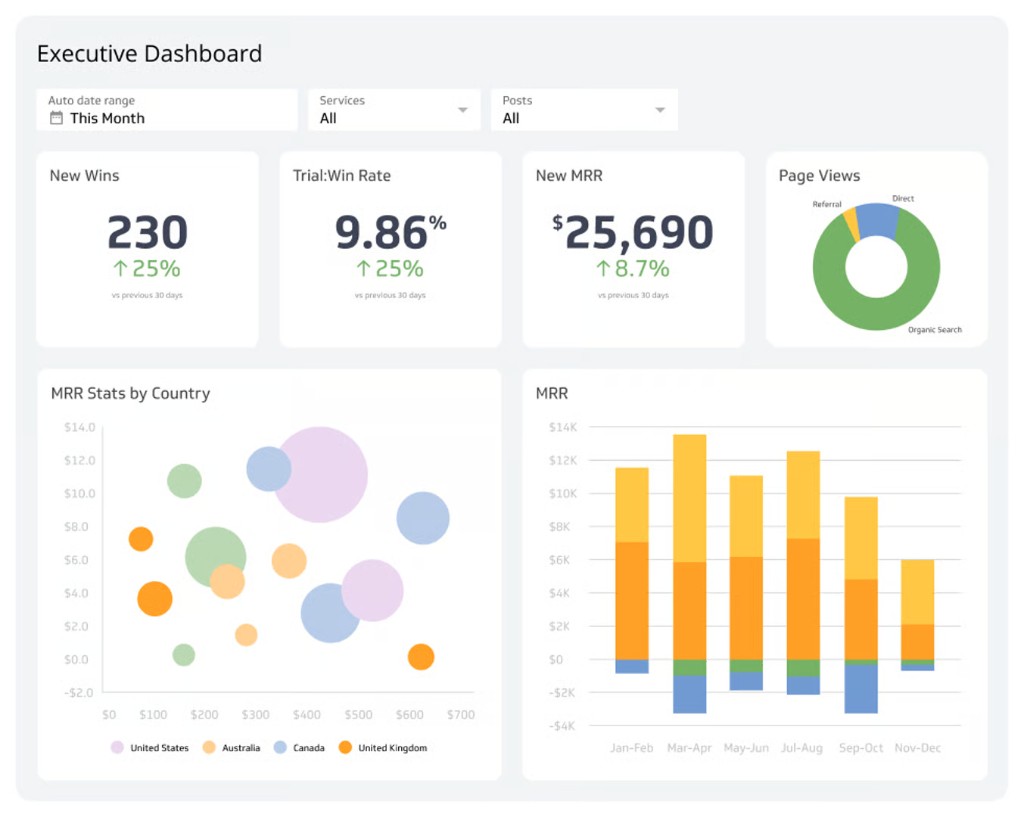
The Decision Debt Trap: How AI Leadership Teams Fix Slow, Expensive Execution
Decision debt silently slows growth, inflates cost, and burns leadership time. This playbook shows how AI-powered operating rhythms help teams clear bottlenecks and execute faster.

Using AI to Expose Hidden Cost Patterns and Contract Risk
Learn how to use AI for cost analysis and contract review to uncover hidden spend, auto-renew risk, and negotiation opportunities before they impact margin.
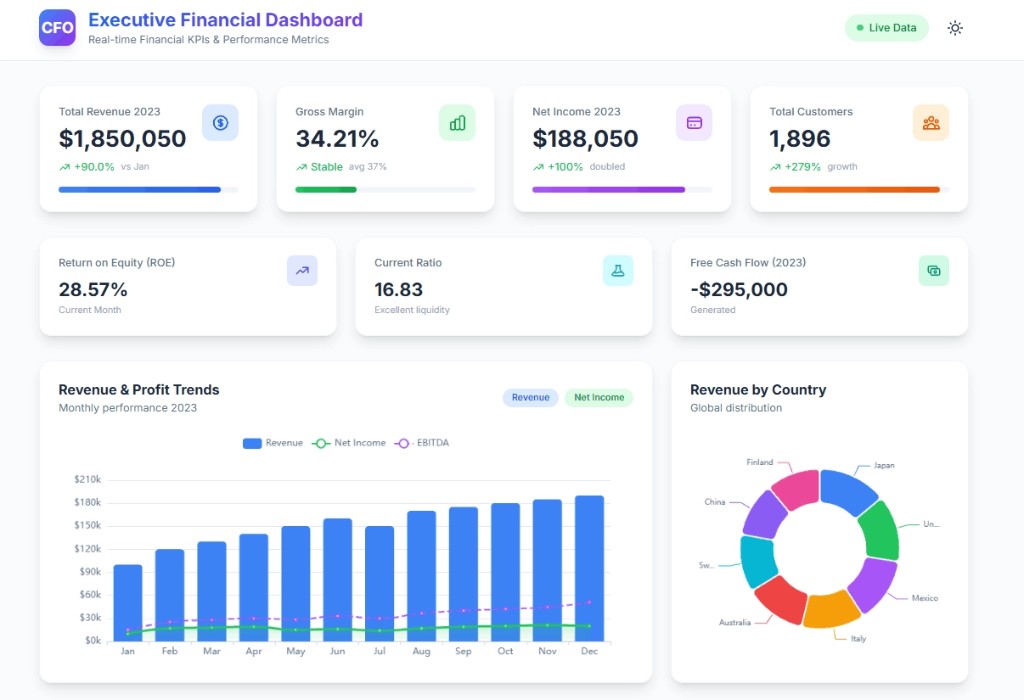
Using AI for Margin Protection: Pricing Discipline for Growth-Stage Companies
AI can help leadership teams protect margin by identifying pricing leakage, discount drift, and unprofitable customer patterns before they erode growth quality.
AI Weekly Operating Review: How Executives Turn Data Into Better Decisions
A practical weekly AI operating review helps leadership teams spot risk earlier, make faster cross-functional decisions, and improve growth quality without adding more meetings.

Scaling Leadership Without Losing Velocity
As organizations grow, velocity drops less from talent gaps and more from tolerated behaviors: unclear ownership, work falling between teams, and complacency that kills urgency.
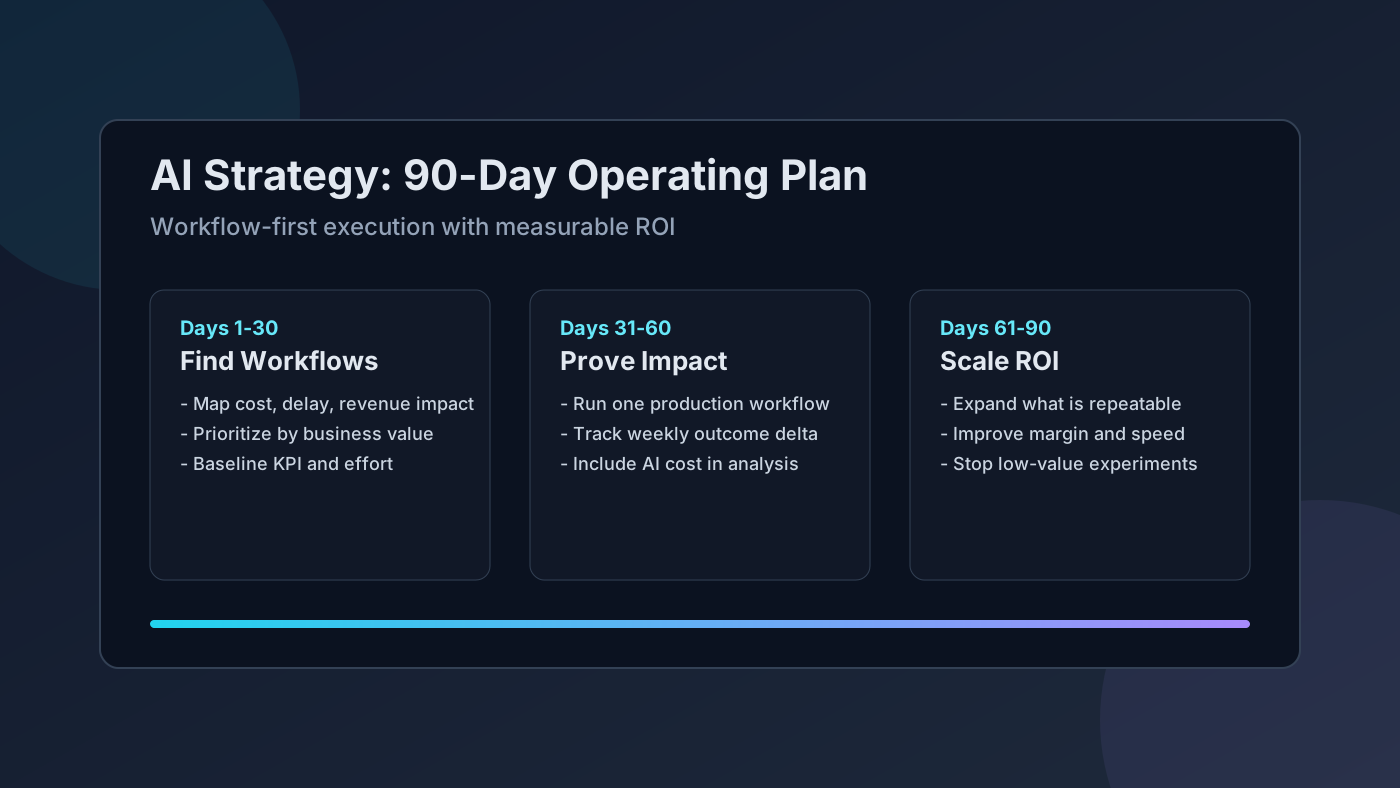
AI Strategy for Executives: A 90-Day Operating Plan
Most AI initiatives fail because they start with tools. A strong 90-day plan starts with workflows, measurable business outcomes, and explicit ROI accountability.

From CPTO to Defacto CEO: What Actually Changes
The transition from CPTO to defacto CEO is a P&L shift: balancing growth and cost, improving operating discipline, and leading the company toward profitable growth.
Get weekly executive AI insights
Practical frameworks you can apply immediately. Join 4,200+ leaders.